Life Stories
A Few Life Stories
In no particular order
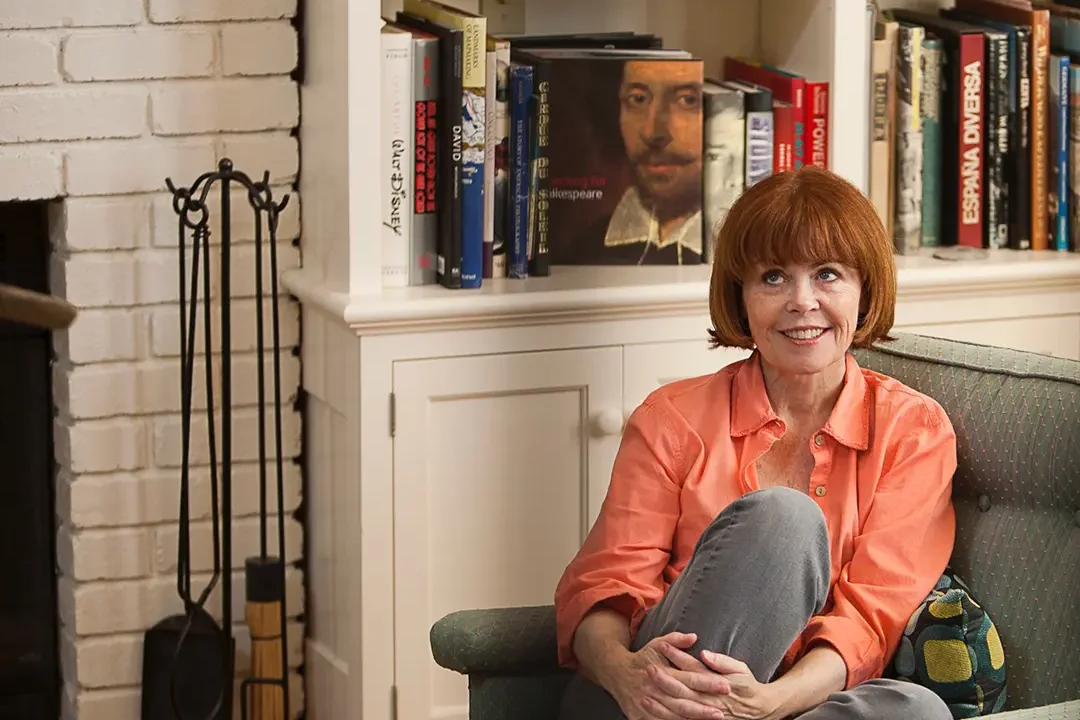
If you’re looking for a list of accomplishments that make me look accomplished, go here for proper Bio Stuff i.e. high-res photos, and some short copy that may mean something out in the big wide world. Otherwise, scroll down for what feels truer about me: a jumble of wrong and right turns, lessons learned, adventures borne mostly out of having to pay the rent. Oh, and art-arts-arts. The ping-pong of my bio…

My nursery school report card said, “Mandy has shown little interest in building with blocks…” I have no idea why that was important. I was Mandy back then. It goes on to say, “She particularly enjoys story time. She has fun looking at books by herself also.” I love how the word “also” is tacked onto that sentence. This was in 1959 at the Beauvoir School in Washington, DC. I adored Beauvoir, though by second grade, apparently, things had changed. “Mandy’s reading is excellent. She does, however, continue to make thoughtless mistakes on workbook assignments.” Note the word “continue.” If the world were handing me a report card today, I know I’d see the same comment.
One of the best-paying jobs I managed to wangle right after college was counting furniture on a Wall Street trading floor. The hours were midnight to dawn. This was probably 1978 or ’79 when I was studying acting and singing in New York City while grabbing whatever work I could find to pay for my classes. The actor who’d turned me onto this gig said I could make as much as $100 a night if—if—I got there early and asked for a trading floor, not an office floor, because there’d be a lot more furniture. More furniture matters when you’re paid by the piece.
I’d subway down to report at twelve on the dot. Whoever was paying me owned the whole glass tower. They’d give me a clipboard, a form filled with fill-in-the-blanks, a ballpoint pen, and a sheaf of numbered tickets that had to be affixed to every desk and chair and credenza on floors that spanned an entire city block. To make my nut, I’d have to run—run!—all by myself around rows of early computers with the occasional international trader yawning in front of a blinking screen while I tagged and scribbled and sprinted for my supper. It was fun. It was weird. It was also beautiful up there, Manhattan sparkling through the north-facing windows, Brooklyn to the south. True, I was making pennies per piece, but my take-home (under the table) was a good living in those days, and my hourly, if I hustled, was off the charts.
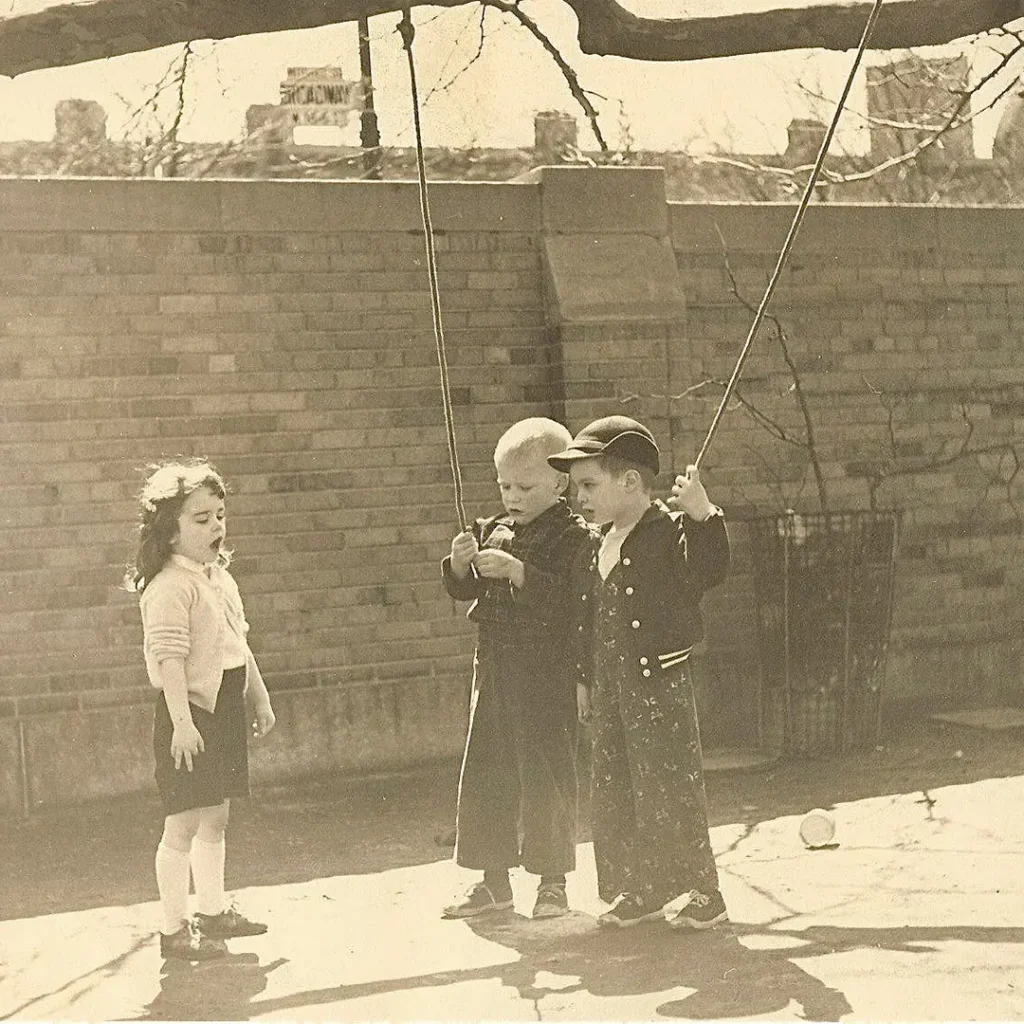
I started out singing. That’s Corky and Sammy Robinson. They were brothers. I was so in love with them. This was in New York City in 1958. My mom had pooled her money with some other mothers to hire a teacher to teach their pre-school kids before there was such a thing as Pre-School.
My earliest memory is of Sammy falling off a toy box in Central Park. I know now it wasn’t a toy box. It was actually a garbage dumpster. I remember how tall it was, but because it was bright blue, I thought toys were inside. I don’t know how Sammy got up there. In fact, I didn’t actually see him fall. What I did see, the next day, was a giant band-aid stuck on the back of his head. Of course, it wasn’t a band-aid, more likely a dressing of some sort, but I wasn’t worried about a head wound, I was worried about how much would it hurt when they peeled that band-aid off and took some of his tender, little-boy hair with it. I was maybe 4 or 5. As I say, I loved those brothers. They were nice enough to let me sing for them.
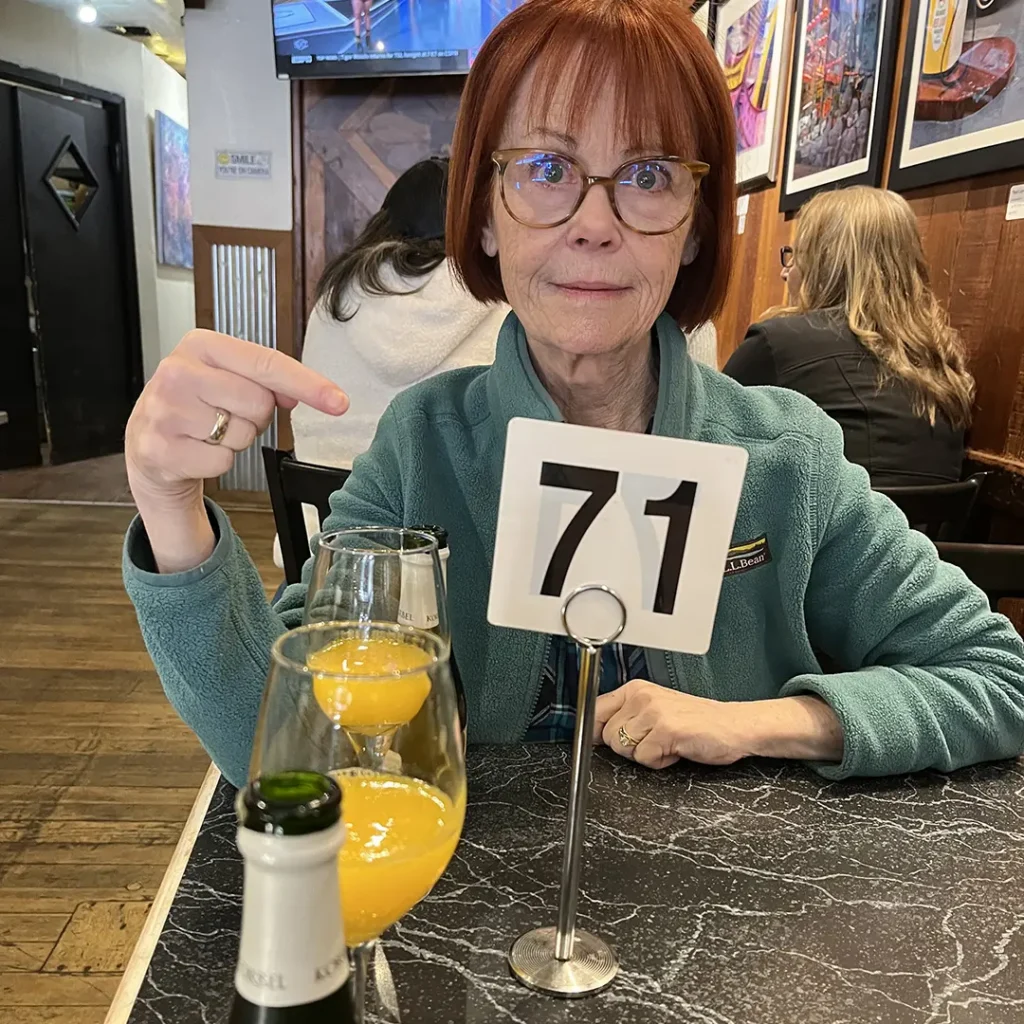
Okay, I’m 72 now, but close enough. We’re in the Redwood Cafe in Cotati, CA. They stock enough table numbers that you can usually find the one for your birthday as the years roll by, and the years have rolled by. I’ve been meeting my best friend, Lynne Morrow, here for breakfast every Tuesday morning since 2001. If you’re not doing weekly breakfasts with someone you love, I can’t recommend it enough. We used to stage operas and musicals together at Sonoma State University. Our first project was Mozart’s The Magic Flute. Our first night, ever, of rehearsal fell on 9/11. It was a hell of a production. We’ve been breakfasting ever since.
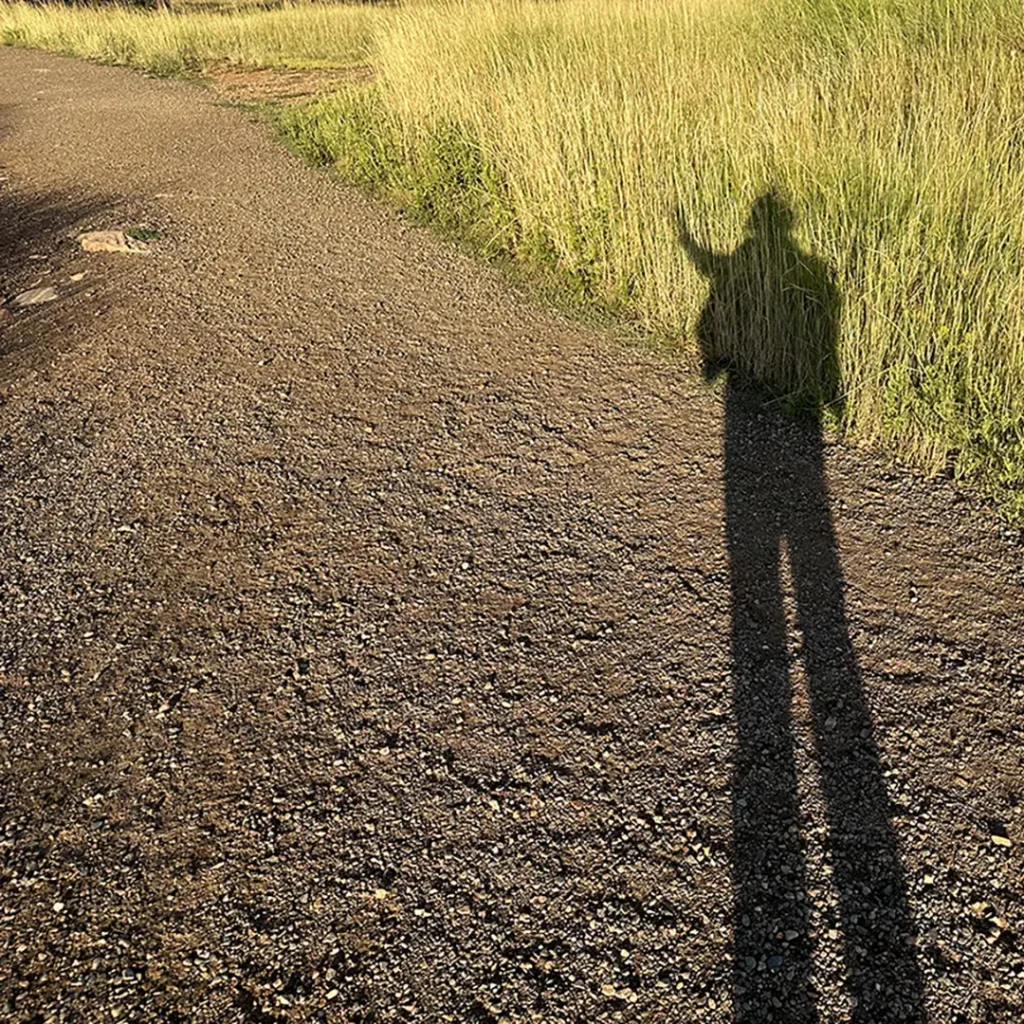
I asked my college professors not to grade my papers. I told them I only wanted their comments on what I’d written. When I said that, they always looked surprised, or more than surprised, maybe annoyed. Maybe that meant they’d have to do more than write a single letter with a plus or a minus at the top of the page. Regardless, it was an interesting experiment. In what, I’m not sure. I went through four years of college without any idea of how I was doing. My parents got my grades but they had strict instructions to keep them to themselves. It wasn’t always comfortable. I learned how invested I was in what those letters meant, but I stuck with it, and when I graduated, I had my records sealed. I’m still asking myself why.
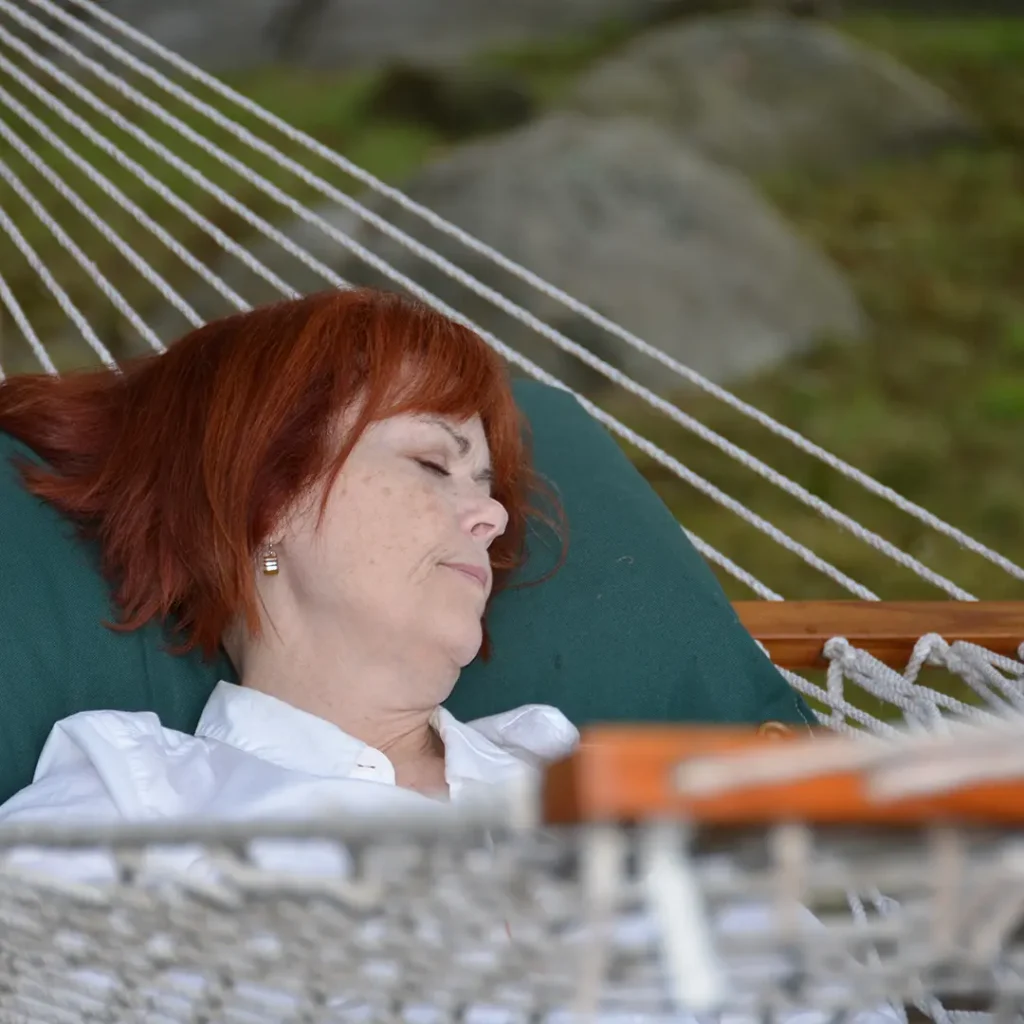
Once I decided to knit someone a hammock as a gift. I had never knit anything before. Also hammocks aren’t knitted. I bought really big needles and baling twine, and did it in the back seat of a station wagon on a thirteen-hour drive to the Blue Ridge Mountains. It’s not good to knit with twine in a car with the windows rolled up. Twine sheds microfibers that can irritate your lungs. All I had when I finished was a collapsed-in-on-itself bundle of itchy, knitted stuff. The person I gave it to was very nice about it. I’m sorry to say this is not untypical of how I’ve gone through life.
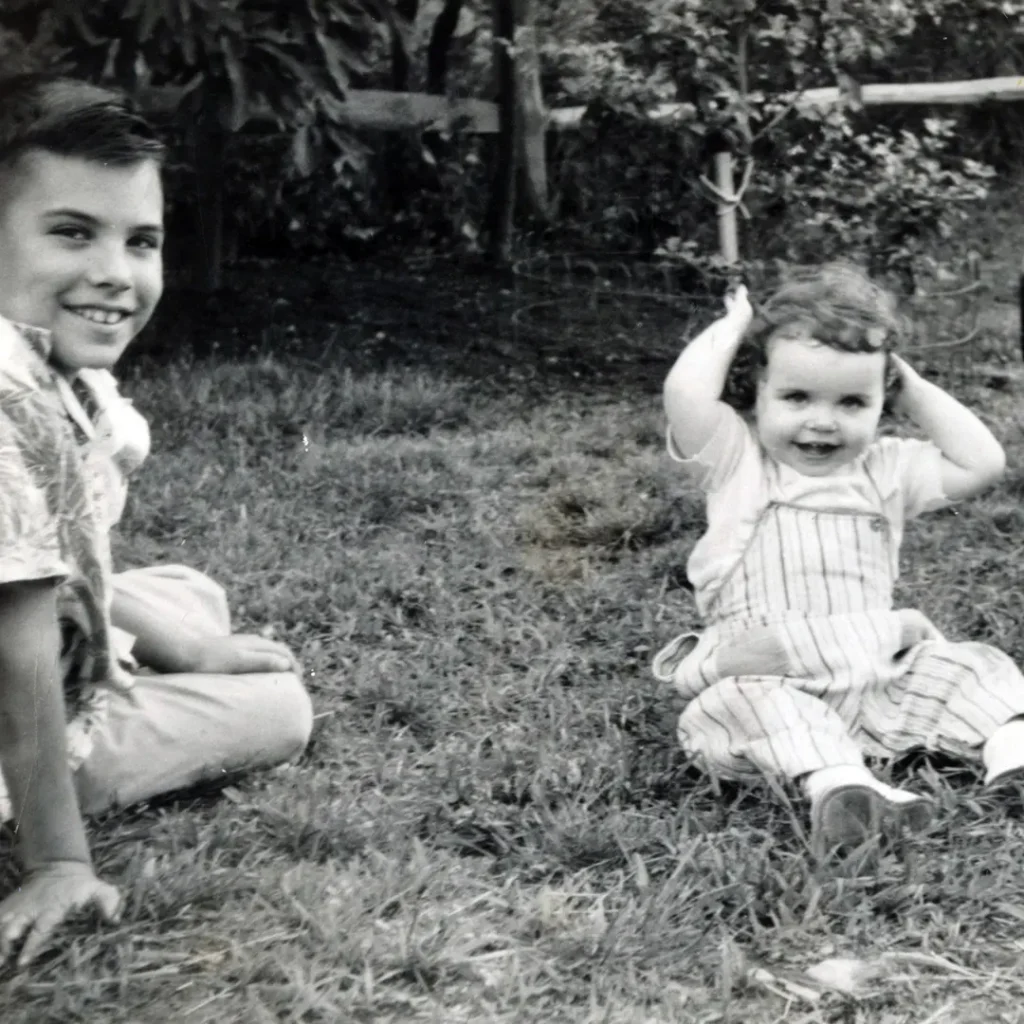
No word for it but luck. I was in the fourth class of undergraduate women at Yale. Before, it had been only men. We’re talking a couple of centuries , from 1701 to 1969, so, yes, women at Yale was a thing. When I arrived in 1973, there were twenty-five men for every one woman on campus. Of course there were challenges. Panels of guys would hold up cards ranking our looks as we came into the dining hall, 10 for gorgeous, 1 for dog. I was closer to dog. But OMG, what a gift those years were, dazzled by my fellow students, jazzed by thoughts I’d never thought, and never would have thought without those teachers setting my brain on fire. The likes—in person!—of Robert Penn Warren, Cleanth Brooks, Ruth Day, Bart Giamatti, Maury Yeston, Karsten Harries, Louis Dupré, Olympia Dukakis, Austin Pendleton, Fred Thompson, Vincent Scully and on and on and on.
How did this happen? All I know is, in second grade Dawn Moreno and I insisted on playing soccer with the boys. The girls had “free time” at recess. The boys had organized sports. No fair, we said. We wanted in. Dawn knew how to play soccer. I, on the other hand, had never played in my life, never even seen a game, but I was going to go where the boys were, and she was my best friend, I admired her, so we stormed the field. The boys were furious. The teachers made them include us. They retaliated by setting Dawn up as a goalie, sure she would tank. Instead, she locked down the net, no one could score, while I hopped up and down somewhere mid-field trying to figure out what I was supposed to do as the boys ran around me. The moral of the story: I may not know what I’m doing, but I know enough to follow those who do. Thank you, Dawn. Thank you, Yale. And thank you, all my lucky stars.
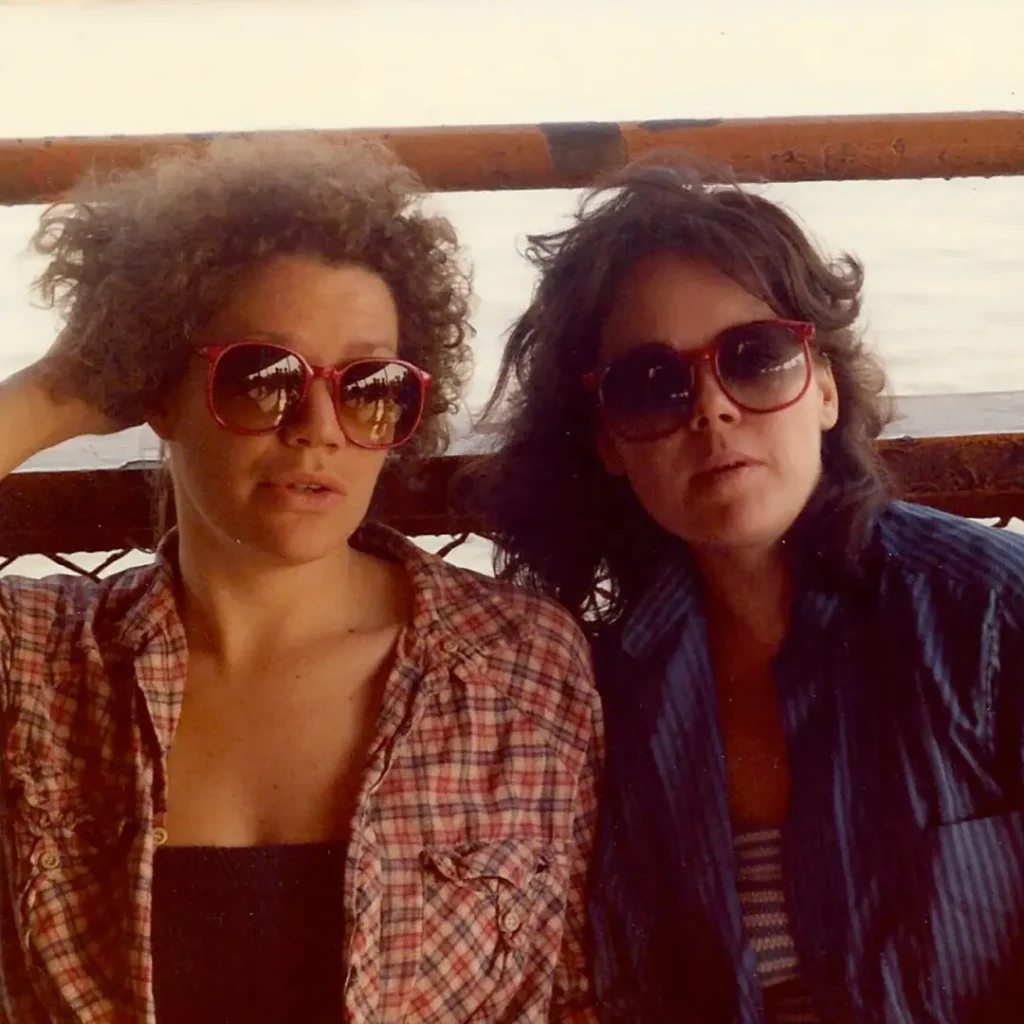
Fresh out of college, I floundered until my boyfriend’s mom, a major executive at the Aspen Institute in New York City, got me a job as a Xerox girl. Our office was on the top floor of the Steuben Glass building on Fifth Avenue and 57th with a great view of Central Park until Trump built his tower. Back then, we were typing on typewriters, great big IBM Selectrics. We had to correct mistakes by hand-painting the actual paper with White-Out, a fast-drying goo that came in a bottle with its own brush like nail polish. Later we got the fancy Selectric II’s and III’s that came equipped with their own spools of lift-off correction tape.
There was no such thing as a desktop printer so copies were made on Xerox machines as big as kitchen stoves but taller. That’s where I came in. They were finicky, and slow, and broke all the time, and then I’d have to call and wait for a special repairman while whoever needed a copy right now! took it out on me. Even tucked away in the closet they called the Xerox Room, my office attire had to be hose and heels. I didn’t make enough money to buy the right clothing. Instead, I sewed my own with mixed results. My boss was Maureen Corr. She was Eleanor Roosevelt’s last secretary, born in Ireland with the accent to prove it. She was elegant, CEO-smart, and kept a flask in her lower drawer. She taught me what a tickler file was, and told me firmly I’d have to do something about my wardrobe besides sewing it myself.
It was in those years at the Aspen Institute that I answered Henry Kissinger‘s phone. Those are stories I’ll have to tell another time. That’s me in the picture with my darling friend and confederate-in-all-things-secretarial, Betty Wytias. She went on to become an attorney championing child protective services, and battling domestic abuse. I think we’re on the ferry to somewhere. New Jersey? The Statue of Liberty? Those were desperate, wonderful years.
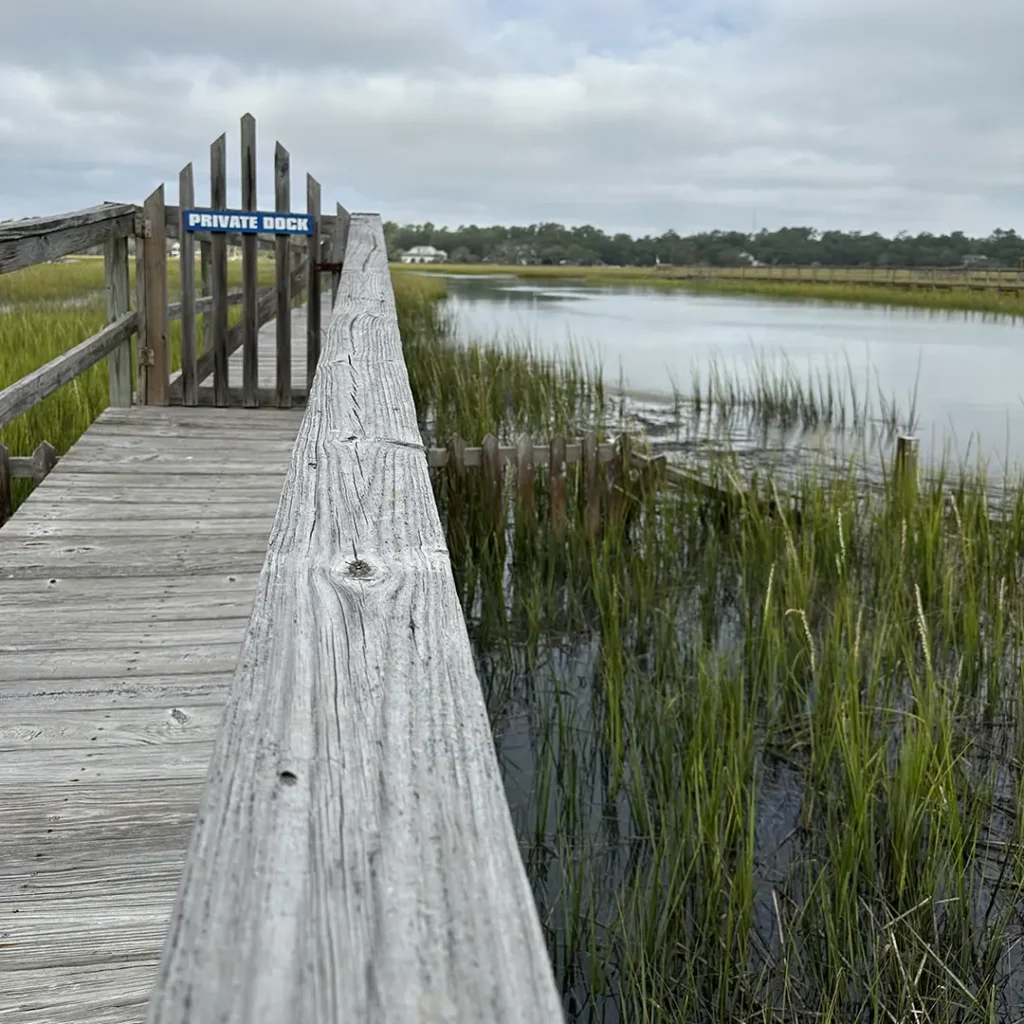
Summer of 1977. In the terrifying gap between an Ivy League campus and the impossibility of starting my own life, I worked the breakfast shift at Shoney’s Big Boy in Myrtle Beach, South Carolina. Think Denny’s, think Applebees. I’d worked for pay since I was eleven, but that was on a farm. I’d never waitressed. I lied to get the job. My first morning, first shift, I remember being told to see to my set-ups. I didn’t know what a set-up was, but I managed to look like I knew while watching the pros around me filling—oh!—those little metal caddies on each table. They had to be stocked with creamers and sugars, and sugar substitutes, and jellies, and syrups. I was told to count and log the packets as a form of inventory control. Our customers were notorious for sweeping everything off the table—sometimes even silverware—into purses and beach bags to take back to their RVs. My uniform was a custom shirtwaist with an apron and two official pins. A big enameled button: TRY MY STRAWBERRY PIE! balloon-lettered over a close-up of strawberry glop in some buttery crust. Also a bar of faux-bronze on my lapel that said HI MY NAME IS MANDY.
People came in for stacks of pancakes, eggs, and take-out Coca-Colas before heading to the sand. Shoney’s was known for huge servings on a budget. That’s wasn’t good news for me. Rock bottom prices meant rock bottom tips, but I eked enough to cover a rented room two steps from the ocean. I shared it with my boyfriend at the time. He chipped in by drumming nightly at a roadside shack that called itself The Polo Lounge. I’d brought an old typewriter with me. A cast-iron Olivetti. No cord like a Selectric, it was manual and used. The letter e was out of alignment. I had to go over every e with a pen. That’s the summer when I first began to write.
Don’t tell anybody. In the early ‘80s, I couldn’t for the life of me get cast in a production that would make me eligible for union benefits as a professional performer, so I sat down and wrote my own one-woman, one-act musical under a false name, cast myself in the lead role, and collaborated with the greatest mentors and friends to star in an Off-Off Broadway show that earned me my Equity card. That was the end of performing for me. I realized I was happier creating work than begging for it. My life since has opened into writing and directing and coaching. I haven’t looked back.
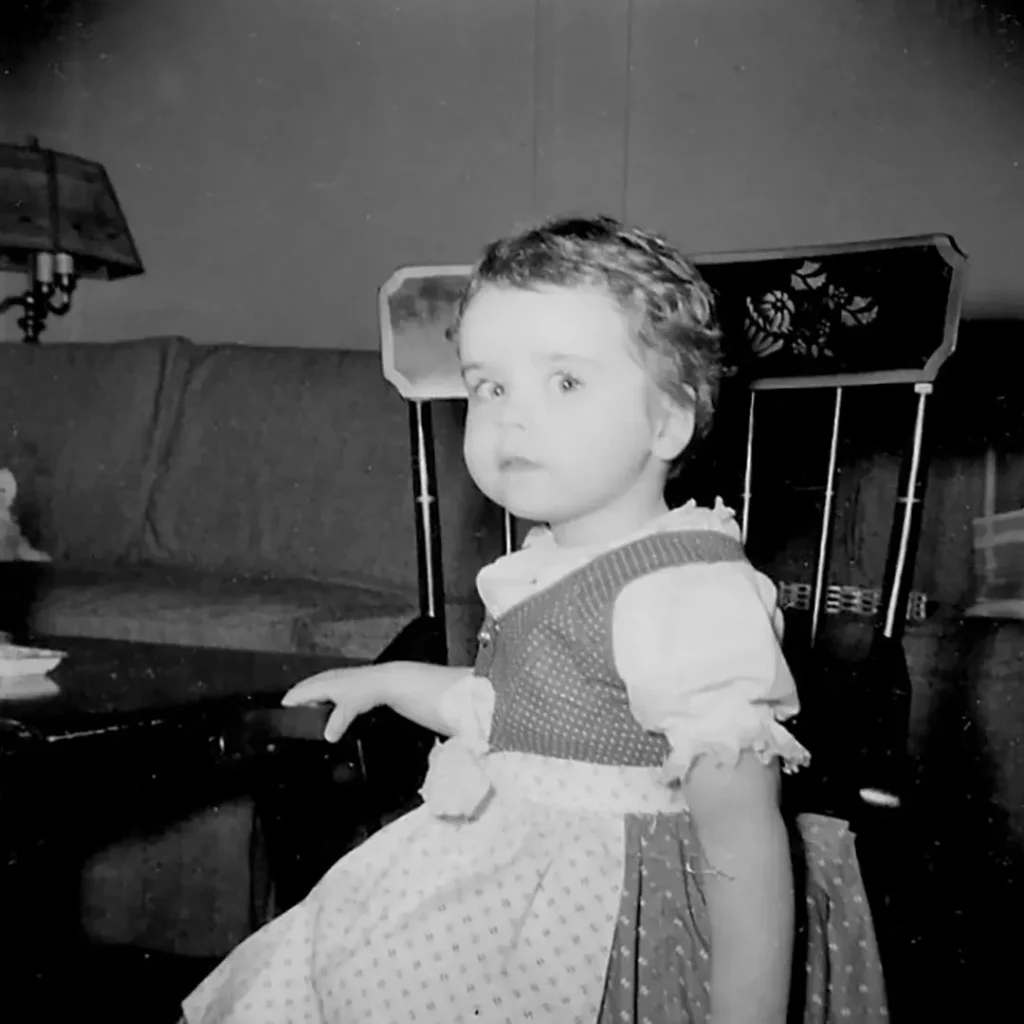
I was never one of the pretty girls. Summers in North Carolina our community celebrated Sadie Hawkins Day. That’s a ghastly ritual wherein boys chase girls up and down the mountains in a game of tag where the boys go after girls they think are pretty and want to kiss, and if they catch the girl they want (usually by agreeing to a secret meeting place), they’d be presented with a picnic made by the girl at our Covered Dish. Covered Dish is mountain talk for Potluck Supper. No one ever chased me. The food I’d put in my picnic basket got eaten by mom and dad. It pains me to write about this even now. I’m glad no one observes Sadie Hawkins Day anymore, at least I hope no one does, though I like the idea of making a fancy picnic for someone who’s maybe never been chased before. Kindness Day, maybe. Picnics for all.
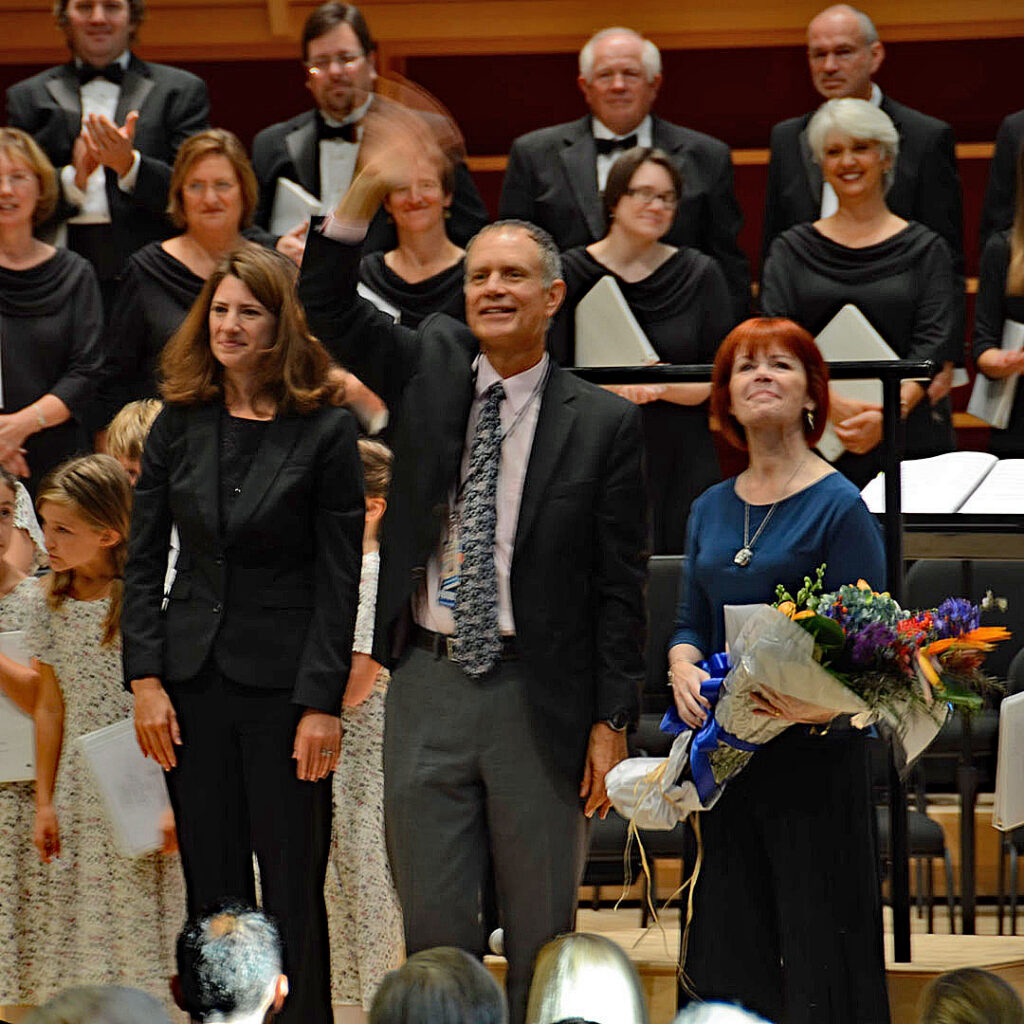
1977. I had an idea for an opera libretto. It was presented to me by the Muses while soaking in a bathtub as a guest in an apartment overlooking the Hudson River. Like everything else in my life, it came like a spaceship over Roswell, NM. I’d never conceived of writing anything for anyone for real, much less for audiences, much less for opera. I told a friend. He said he’d just met a PhD candidate at Juillard, a composer with serious chops. His name was Jeff Langley. We met at a diner across from the Met. I ordered a bagel, which we laughed about later. Jeff was careful what he ate. There wasn’t much to say, all I had was an idea. I’d never heard a lick of his music, he’d never seen one word I’d put on a page, and yet BANG, we both knew. We went on to write an opera together, then kept that up for the next forty-four years. The world lost him in 2021. I use the word lost because I miss him every day, but of course he’s not lost. His sisters called him back. If Muses are known for nothing else, it’s their exquisite taste, and Jeff was the real deal. The music he made around and through and for the words I would sometimes come up with was beautiful–so I can’t blame them.
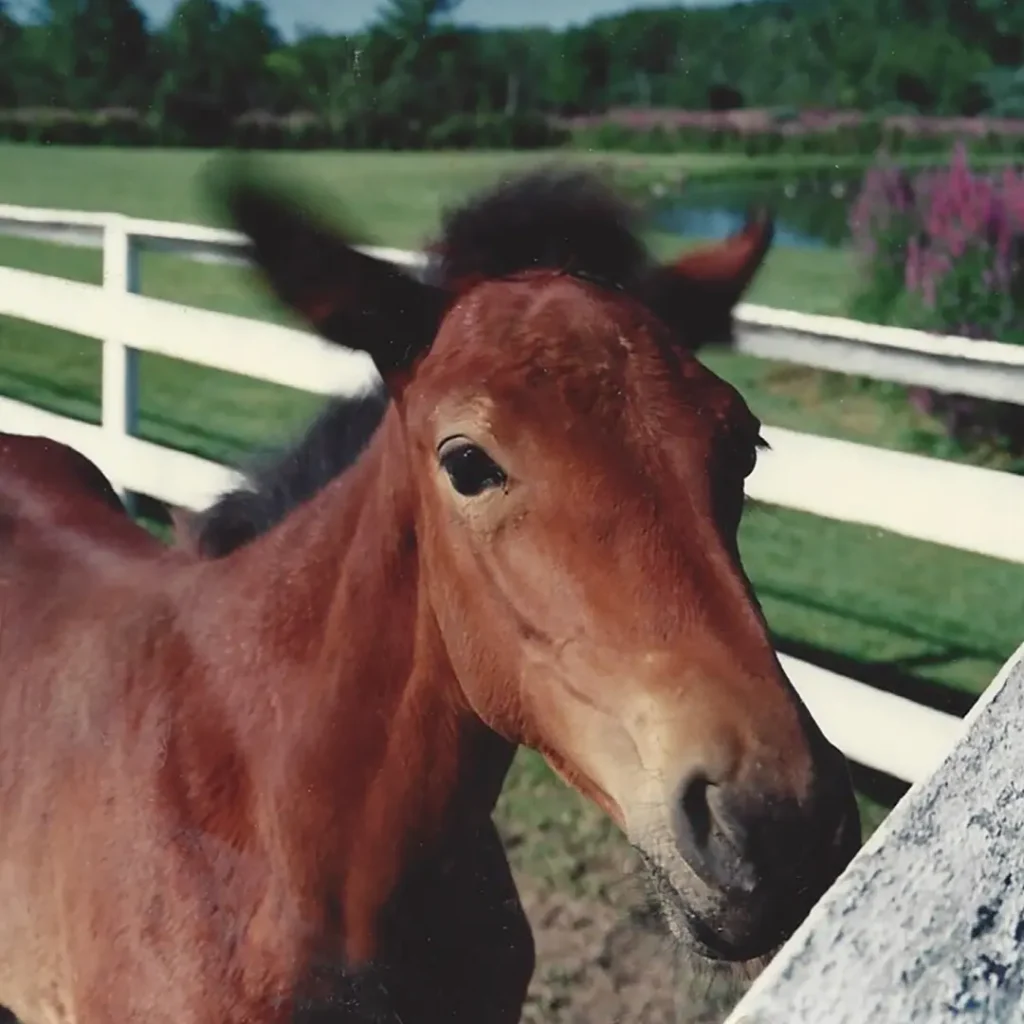
It appears I was born wanting to ride having never been near a horse before. By age five, I was asking for lessons. This was out of the question financially, plus we lived in a city, plus this whole riding thing was something neither parent had done before. As a substitute, Mom bought me a painting. I think now it was a photographic print in a plastic frame that was supposed to look like wood. The title was Horse Heaven. It went over my bed. A herd of different breeds and colors galloping the clouds toward a cloud barrier, a low-bar version of the pearly gates. Some were already jumping it into equine eternity. I loved the picture but I kept begging. Finally Mom found a bodhisattva of a teacher way out in the country, Mrs. Foley. Mrs. Foley said I had to wait until I was six for my legs to get long enough. The first pony I rode was Brownie. Brownie was a bay. Also a large pony, so very large to me, but Mrs. Foley knew she was unfailingly gentle, the only of her stock she’d entrust with a beginner like me. I have the picture Mom took on that first day—we weren’t a family that took a lot of pictures—but, man, you can see it. I’m holding those thick reins in my tiny hands like I know what I’m doing. We always know when we’re home. Horses taught me the practice of practice.
There were years when I produced live entertainment for Paramount/Viacom. That included auditioning actors to play Klingons and Ferengi for Star Trek™: The Experience in Las Vegas. Also in Germany, in German. I remember a harrowing moment in Cologne, standing in a full-sized mock-up of the original Starship Enterprise inside a turbolift complete with working pocket doors. But something was wrong. They wouldn’t open. I was stuck in there with four or five of our clients, great big German guys in fine business suits going on about how bad our work was, and what they were going to do about it. They didn’t know I spoke their language. I played dumb. That’s a super power you develop after years in management, but the truth is, I’m happier listening. Invisibility’s my favorite mode.
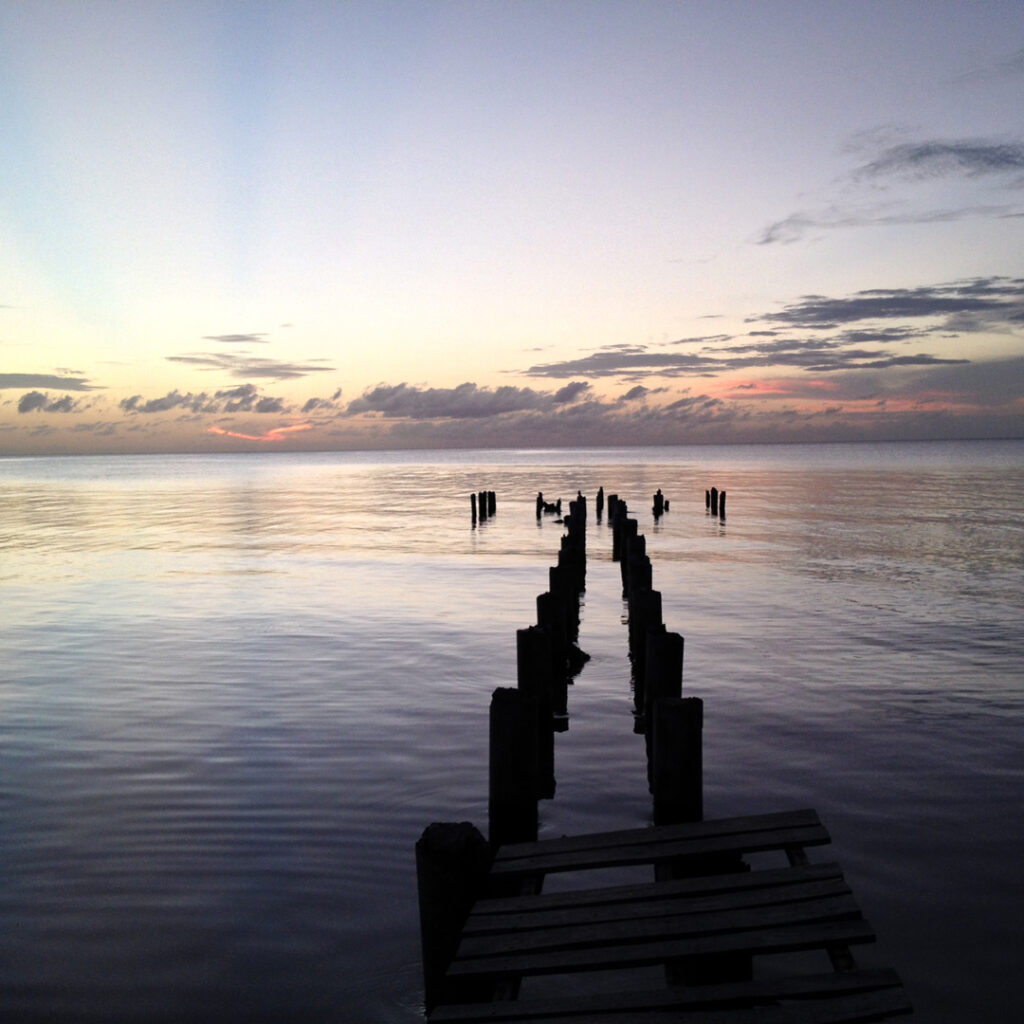
In 2015, researching a novel I have yet to write, I drove around the coast of Cuba. Not with a tour, but in a rental car with Alex, a wonderful solo guide/driver/interpreter from Mexico, and my then-sister-in-law. We stayed on farms and in private dwellings. Google had mapped every passable road on the island (it’s big!) but not one of them had a name. The internet was only available in cities in public squares for a few hours at a time. I was there to do two things. One was to stand exactly where Che Guevara and Fidel Castro came ashore to begin their revolution on the anniversary of that date. That’s where we are in this picture: Playa Las Coloradas on the southeastern coast of Cuba where their boat, the Granma, foundered and sank. We’re standing at the tip of a walkway that extends through the mangrove swamps the survivors had to wade.
My other goal took me to the northern coast. I had a beloved great aunt. We called her Mun. In 1917, a single, educated woman, she sailed across the Straits of Florida to Cardenas. She lived there until the mid 1920s. In fact, she said, she’d have stayed for the rest of her life had her parents not called her back. They were ill. She was their oldest (girl!) child. She had to come home to nurse them, but in her glory years, she taught at La Progressiva, Cuba’s first coeducational school, giving girls opportunities only boys had had before. This was right up Mun’s alley. When she came home to the mountains of North Carolina, to take care of her preacher dad, she was accompanied by her “best friend,” Miss Airie. They wound up living within walking distance of each other for the rest of their lives. Miss Airie was often at our family suppers after church on Sundays. We’d sing hymns together, then dine on the one dish Mun always served: arroz con pollo.
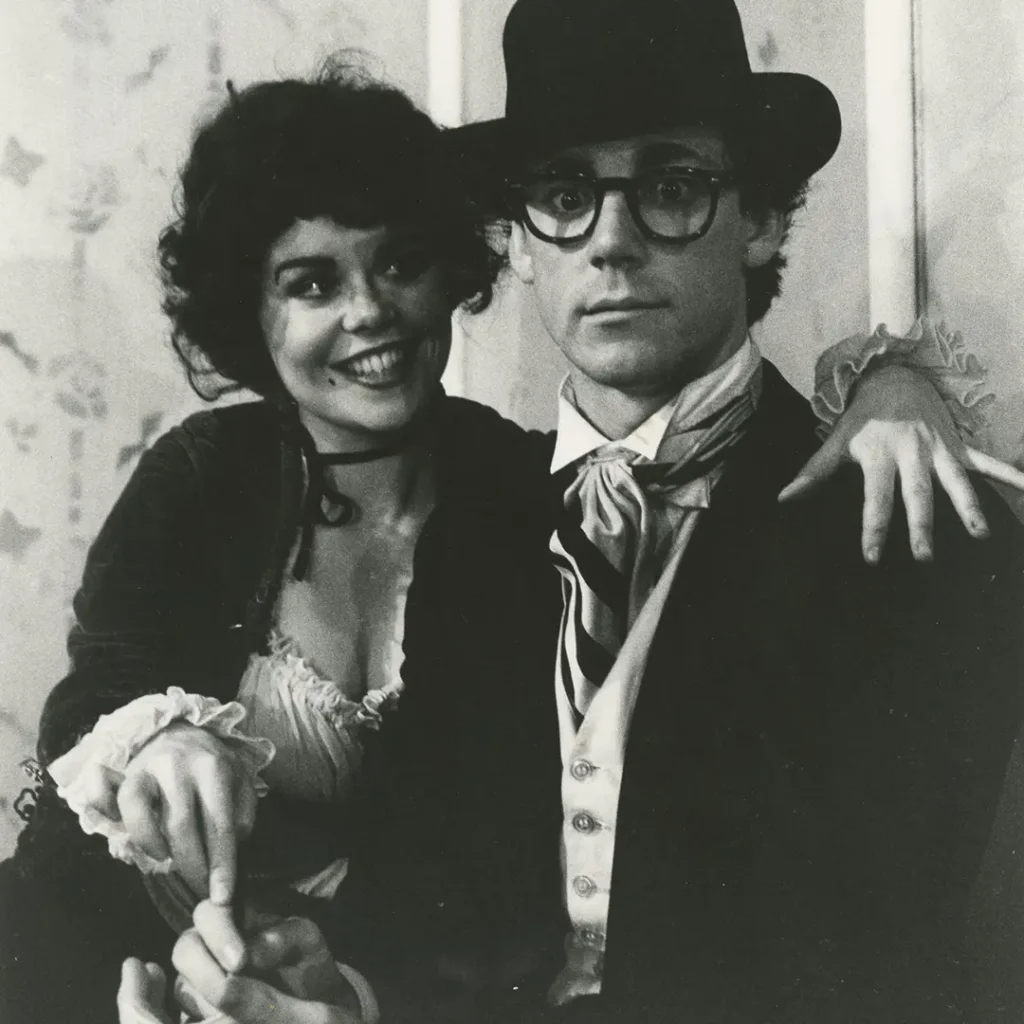
Honestly, it used to be nothing but cringe when I’d look at old stage photos. Now all I feel is love. I mean, the performers I got to work with over the years. Insanely talented. So many went on to become household names, but that’s not what’s important. It’s the generosity and ingenuity they shared with me rehearsing. It’s the life they lifted me into onstage. I was always scared, way out of my league, but I kept at it, not out of ambition, out of joy. This is Rob Brown. You’ve seen him in movies. I laugh every time I see the expression on his face. We were doing a summer-stock, one-act production of a three-act opera, Die Fledermaus. Ah youth! I should look at these pictures more often. They remind me to, as my wise friend Heather Fitz once said, “Go ahead, horse around.”
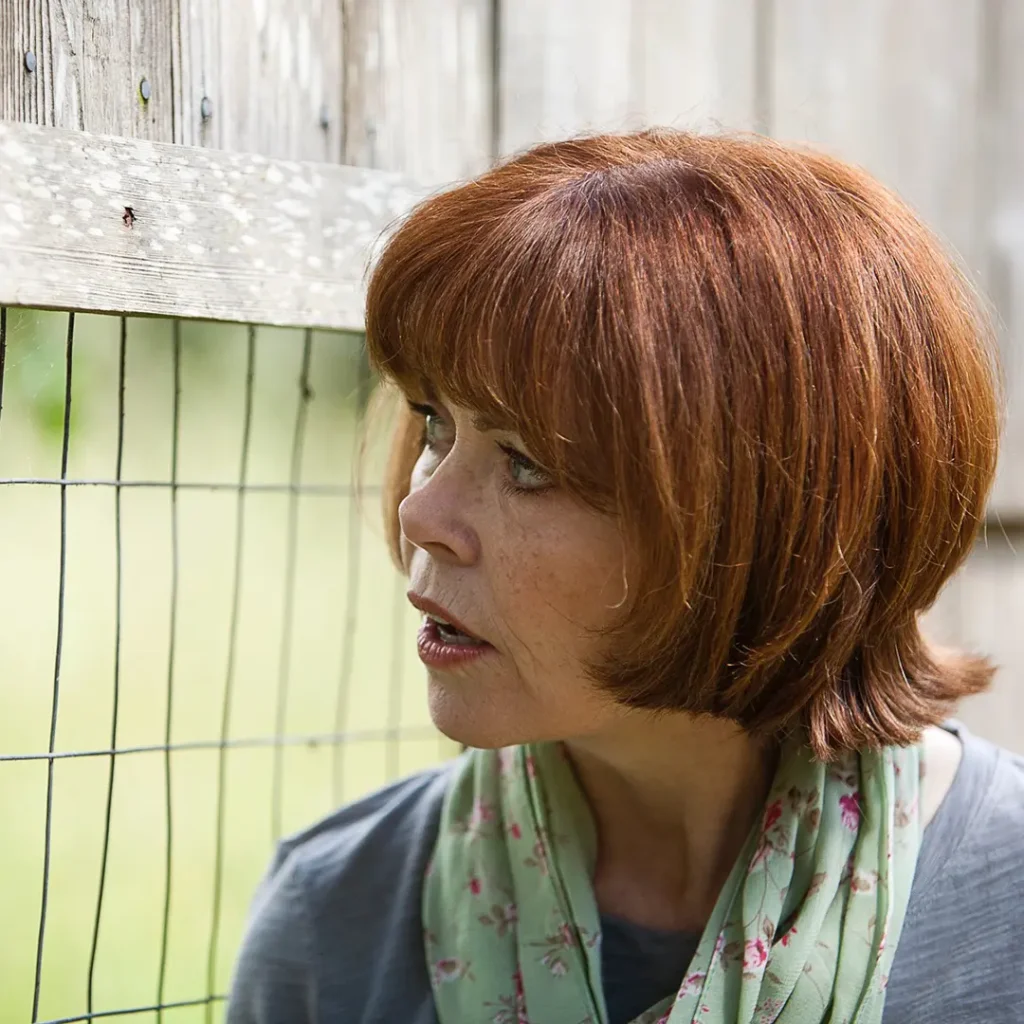
I fell in love late in life. Like everything else it came out of the blue. His name is Tom. We’re private people, so I won’t say much except that the deep and steady and narratively unexciting happiness we’ve somehow fallen into makes every day of these last few pages of my story all the sweeter. I’m writing this in case you’re doubting this could happen to you. Sometimes it does.
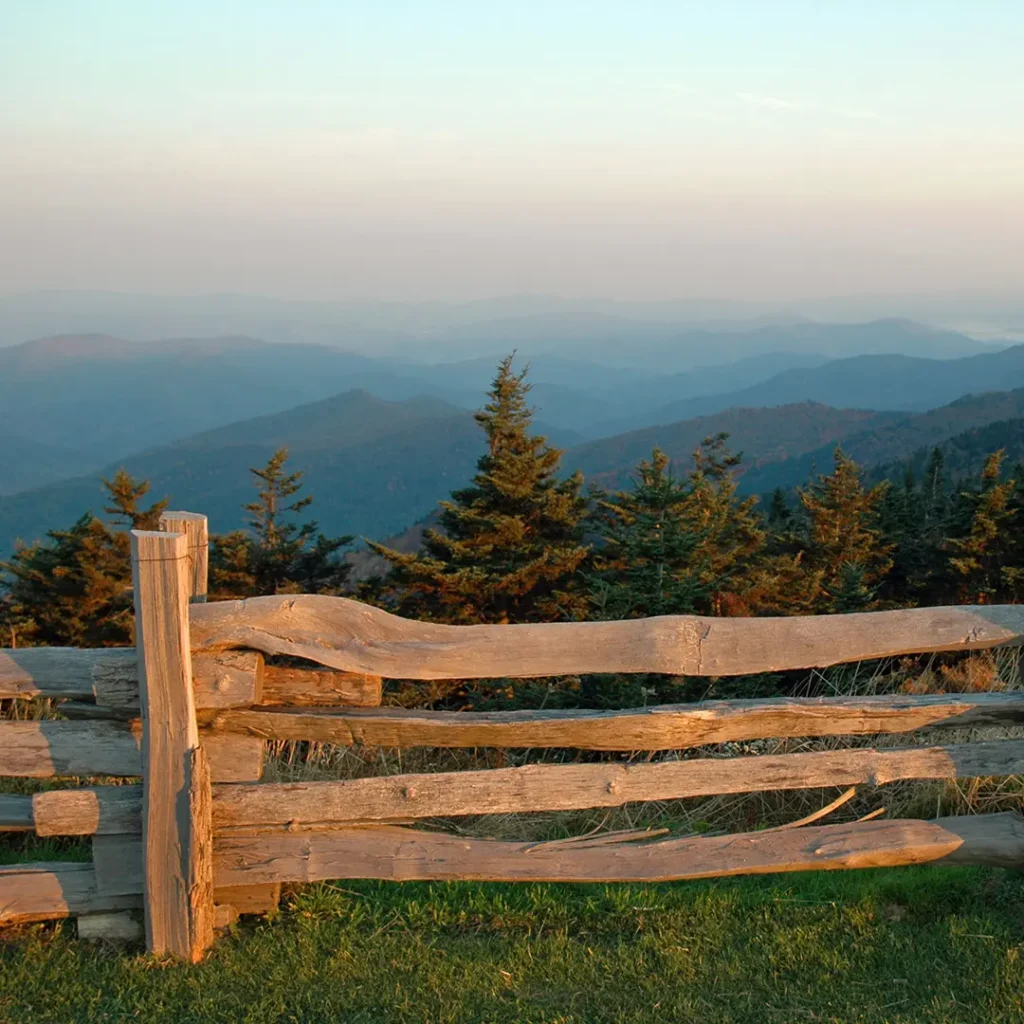
My mom was a story quilter. In the summers in North Carolina, she taught us how to shoot a rifle. We didn’t want to. There were four of us kids. It was the height of the Vietnam War. Too bad, Mom said. She was what we’d call, today, a prepper. She wanted us to survive whatever came, focused and prepared. Shooting practice happened on Sundays after church up a dirt road that wound a mountain, targets nailed to trees at each switchback with a pull-out for a single vehicle. Families drove up and claimed a spot. Our rifle lived in the front hall closet propped on its butt behind winter coats. We had machetes too. Real ones, one for each kid. Mom had brought them back from Kenya on a plane back in the 1960s. The things we used to be able to do! We never touched that gun without permission, but the machetes were always in our hands. We used them to clear trails. Bushwacking it’s called. They rusted beautifully. We kept them sharp. My brother hung his in his bedroom. He and his buddy Buck Tilly were later hired as local rangers because they came to the work focused and prepared.
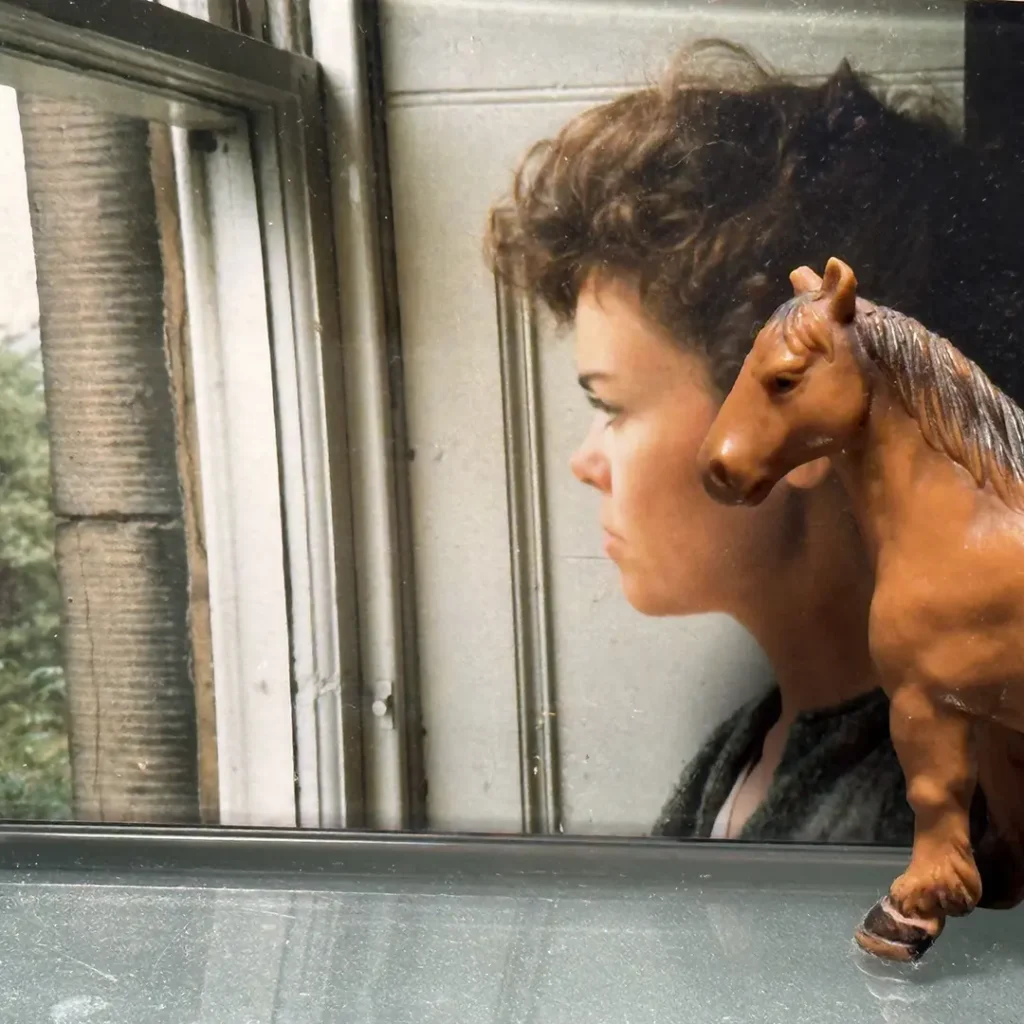
This isn’t a picture of me, it’s a picture of a picture of me looking out a window in Edinburgh. It now sits on my desk positioned in such a way that it looks out a real window at my garden. I’m in two dimensions. The horse is in three. The picture’s on my desk to remind me of the summer I was writing in Scotland when I met a serial killer. That’s a story. The horse is here to remind me to get to work. He’s a small toy. His name is Bully. I know because if you look at his cast-plastic belly, the letters BULLY are there with a trademark. I rescued him from the middle of Amsterdam Avenue in New York City. There was slush on the streets. A cab spat him out from under its wheels, and I grabbed him. He’s been with me ever since. Pictures of pictures of pictures.
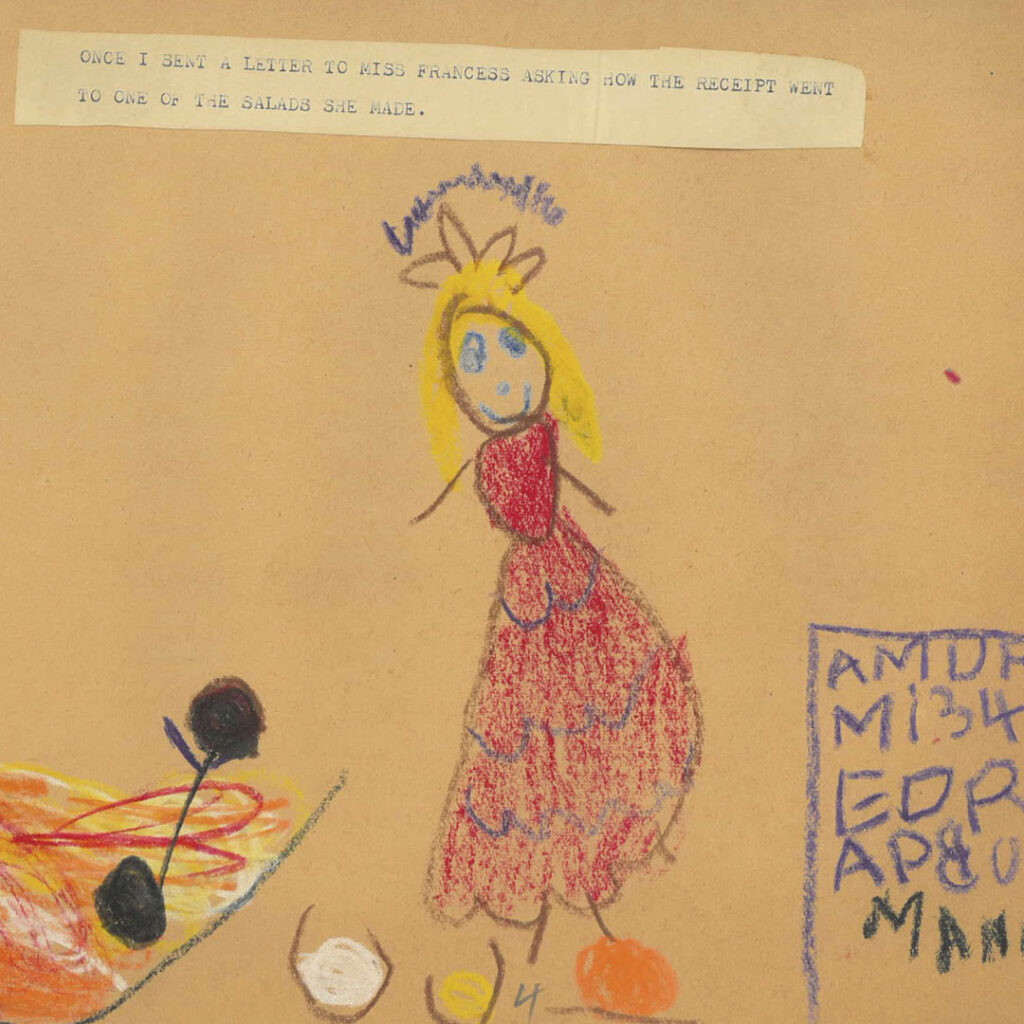
Recently UPS put a box on my doorstep filled with books I apparently “wrote” with my mother before I could write. Mom never mentioned them. I have no memory of making them, and no idea she’d squirreled them away. She’d never had much to say about my writing, and yet she’d kept these homemade books, most likely in the attic, and then left them with our neighbors before she died. Our neighbors were her best friends, Suzanne and Bill McCaskill. They’re in their 90s. They live far enough up the mountain there’s no postal delivery. They have to drive to the P.O. to get their mail, but they called and said they found “some stuff” my mom had left with them and did I want it?, and then didn’t wait for my answer. They just packed it all up and drove down the mountain and paid for the postage to make sure I read some books made by a girl who was so young she still had to be read to. My favorite is The Water that Jack Drank. Jack was my daddy. It’s about how drinking water gets into a glass. Mom must have picked the topic.
There was a note in the box in her handwriting. It says she’d have me draw pictures, then ask what story each picture was telling, and then she’d typed what I told her and glue it onto the image. She used a hole-punch and brads for the binding. In some cases she tied them with yarn. The books arrived when I was at a low point in my life. A miracle. Mom reminding me from wherever she is now, that she knew who I was way before I did. Her credo? You can’t write? Write a book. Your child has stories to tell? Help her tell them.
The End, each last page says.
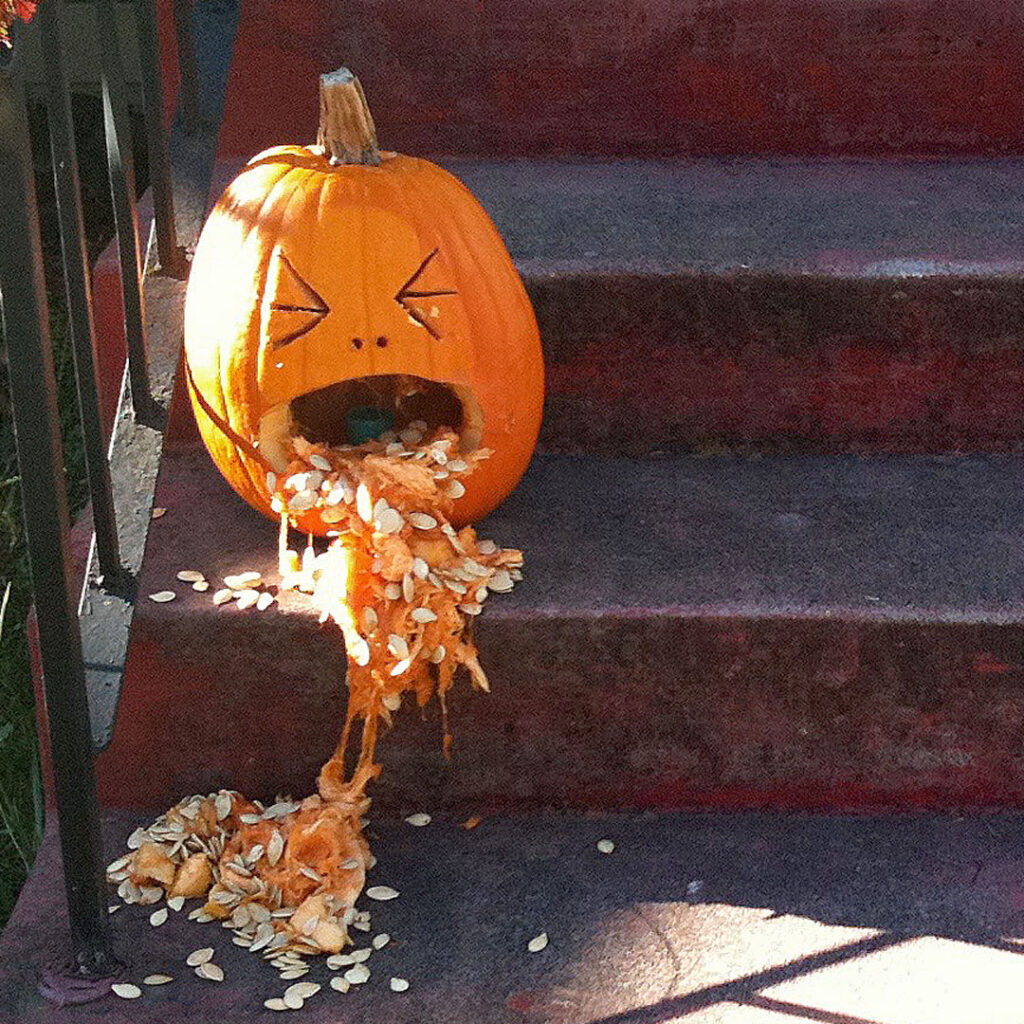
I have regrets. I’ve made mistakes. ‘Nuf said, except to say I’m sorry to everyone who’s had to come along and teach me how to do better. You did. I hope I did.
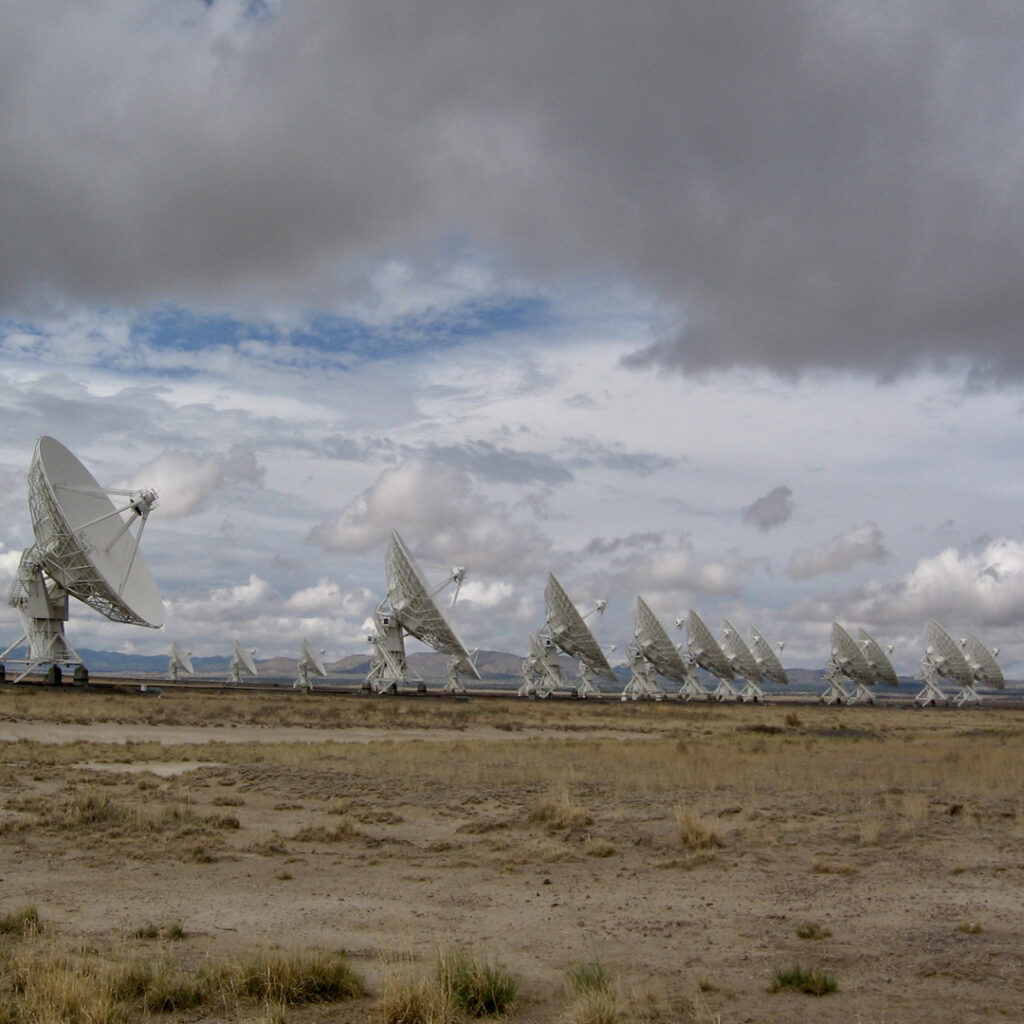
This is the Very Large Array. It’s a radio telescope observatory out on the Plains of San Agustin in southwestern New Mexico. I mean, come on, the name: Very_Large_Array. I couldn’t hope to dream up anything better. It’s nowhere I’ve ever lived or worked, I’ve only visited twice, but it’s my favorite place on earth. I can’t explain. There are newer, better observatories in this world, the Atacama Array in Chile comes to mind. But it’s here where my heart rises to the point of almost-pain, flooded with a sense of unmoored familiarity, and the tenderness I feel when I go home.
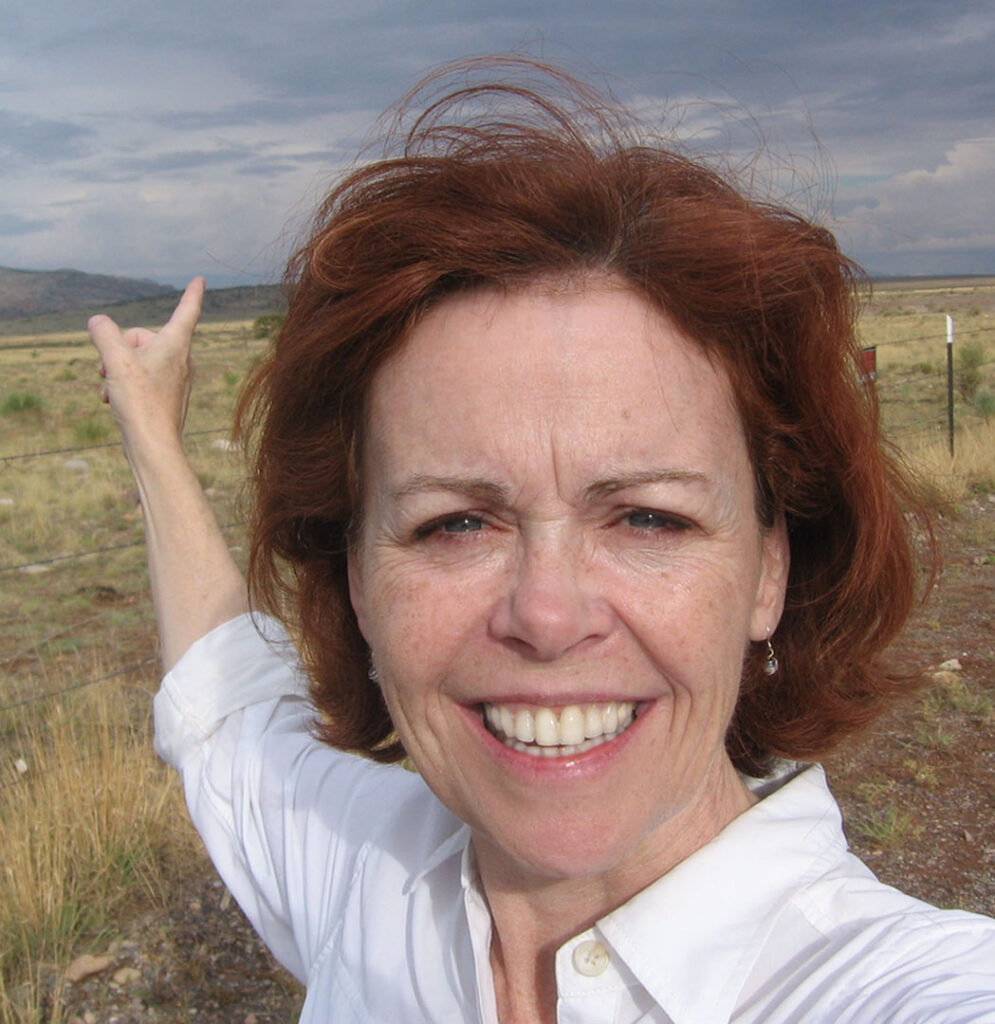
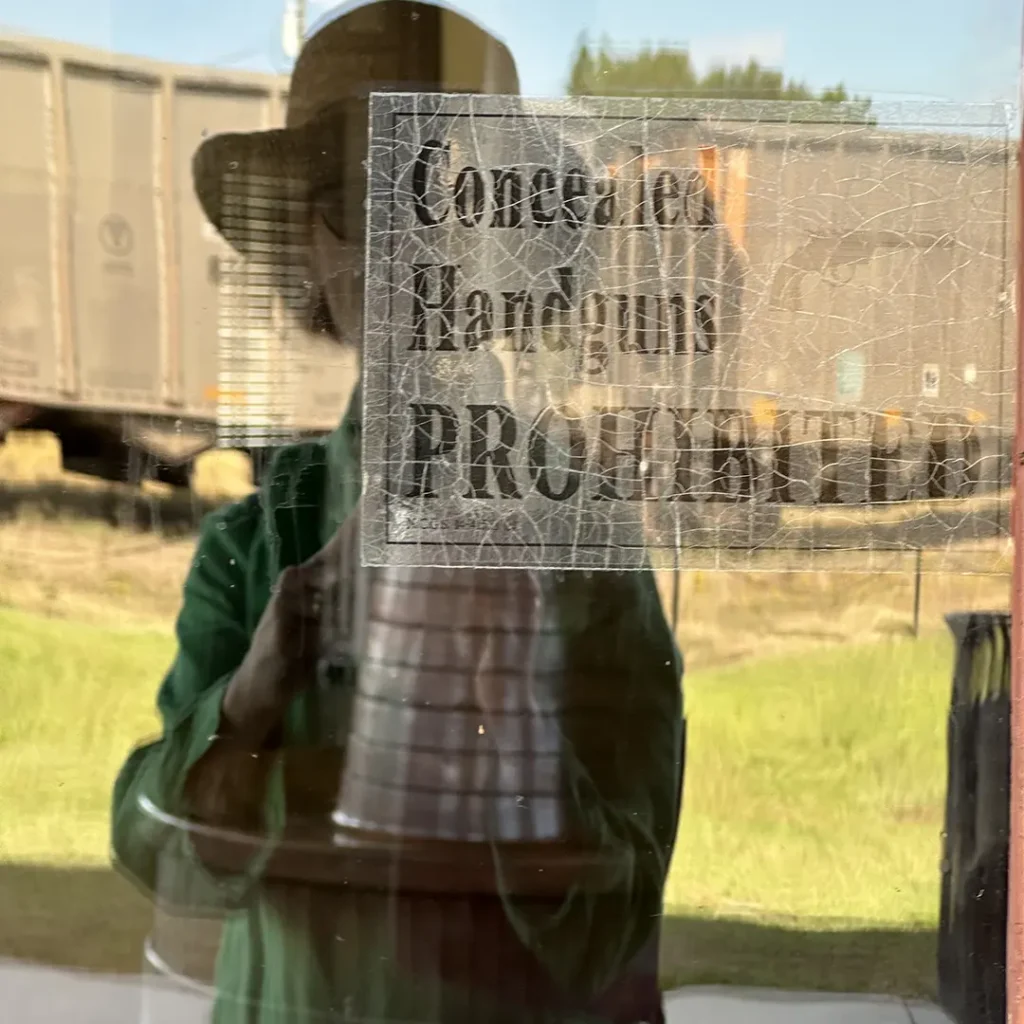
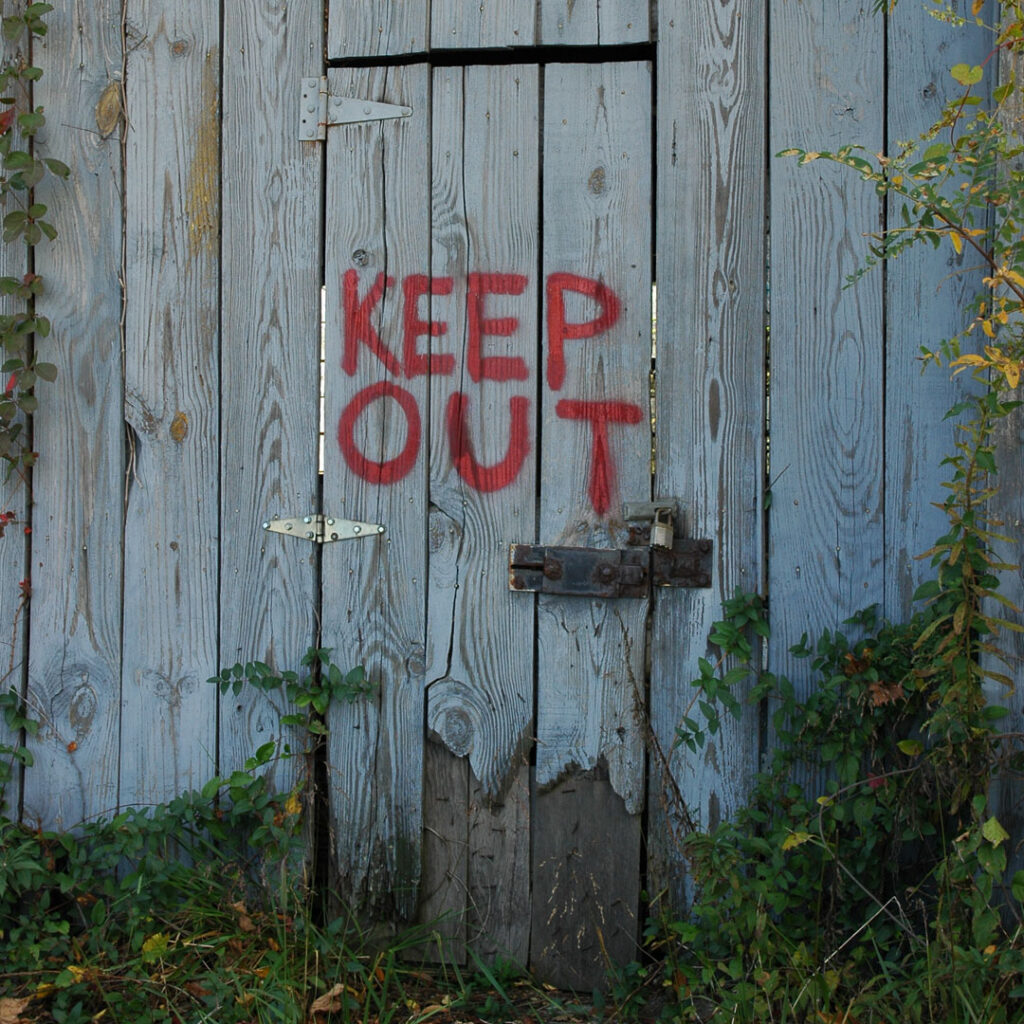
This is me pointing to the Very Large Array. A two-lane road. No shoulder to pull over onto, but I got out and walked the barbed wire between me and the Plains of San Agustin. The wire’s tight between those T-posts. You can see, just beyond me, out of focus, a black-and-red Keep Out. Yes, keep out! Keep moving! There’s nothing out here for you to see! Just some lonely telescopes on railroad tracks pointed at the sky, angled and re-angled decade after decade in the hope that someday–finally–we’ll pick up a signal from signalers on other worlds.
I scrimped the money to buy a used copy of the two-volume Compact Edition of the Oxford English Dictionary from New York City’s bookstore of bookstores, the Strand. Volume One fell out of my window five stories down onto…what? Concrete or a dead guy? I was too scared to look.
It was a hot summer. No way I had air-conditioning. All I could afford was a studio on 23rd Street across from the Hotel Chelsea. I’d bought myself a box fan to put in front of the one window on the radiator. It rattled so I’d looked for something heavy to stop the noise. Half the Oxford English Dictionary fit the bill. Picture a tall, skinny plastic fan with a hardback tome, buckram-bound and stiff, teetering on top in front of an old-school, wood-frame window, open, wide open. That dampened the noise, but I hadn’t done the math. I was at my desk when I “heard” something, or maybe it was more felt. A displacement? A stirring of air? Whatever it was, as I turned, I saw the book tipping-tipping–I was out of my chair watching it sail, shaken off a shuddering fan at the perfect angle to slip out the window, and down. I got there too late. I heard the thunk. My god, I’d only just arrived in the city and already killed someone.
I found the courage. I leaned over the sill: an image I’ll never forget. We so seldom see things the ways birds do from overhead. A sidewalk. A book splayed cover-side up. And a man standing next to it–right next to it–staring down. Then craning up to where it made sense to look, where the dictionary had come from, a dictionary falling out of the sky, and there I was calling in horror, in relief for him to wait, wait until I got down there to apologize properly.
I ran the five flights to the street to see–no one. Nothing. Not even a dictionary. I looked toward 7th Avenue. I looked toward 8th, and I can still see the man rounding that corner going north like a bat out of hell with a dictionary tucked under his arm.
A voice came from a balcony across the street at the Chelsea. A nice man in curlers and a negligée was pointing west. “He’s got your book, honey. That man, he stole your book.”
God bless him, I said, and went back inside. No doubt he’d try to sell what had nearly killed him. Half a radically abridged reference book with a fancy name. He didn’t know, not yet, several pages had been torn from the Letter C. An amputated dictionary. That’s why I’d gotten it cheap.
I ran off to Scotland in 1991 to clear my head, and spent a day with a serial killer. How do I know? He popped up on the Edinburgh news a few weeks after I’d shaken him off. Unmistakable in the OTS box over the anchor’s shoulder. That was him in the photo, but with a different name. He was on the lam, wanted for killing two middle-aged women like me before they caught him which they did. The name he’d used with me was Phil Kerr. I think I still have a newspaper clipping about his arrest. I was lucky for sure, but also I had a mom who’d drilled into me that if things don’t feel right–never mind manners, never mind how you’re supposed to be as a girl–you say no, you get the hell out, and find help.
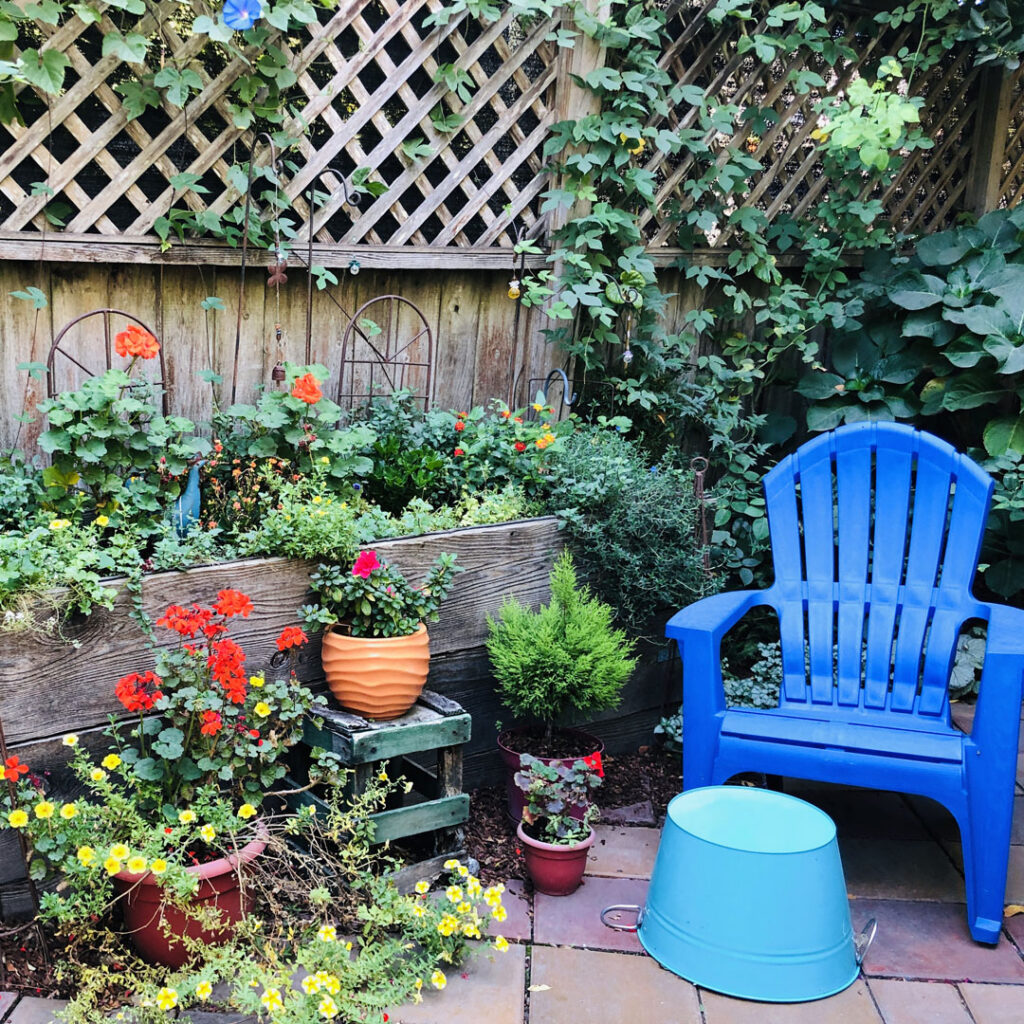
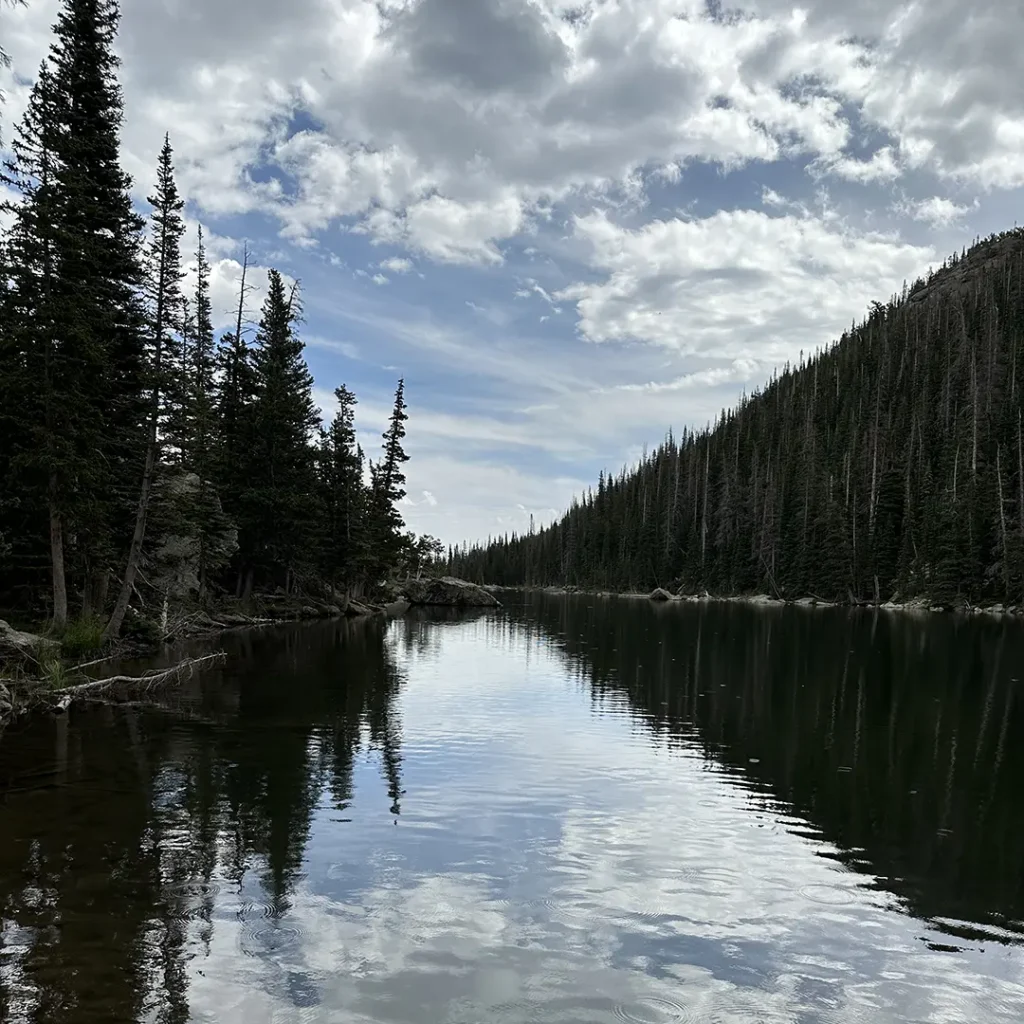
This is one of the places I like to read. In the mornings I need a blanket. The neighbors put a trampoline on the other side of the fence. They have two growing boys. The bouncy balls they bounce while bouncing themselves come flying over the fence pretty often. I toss them back. If I go out early enough it’s just me and the birds.
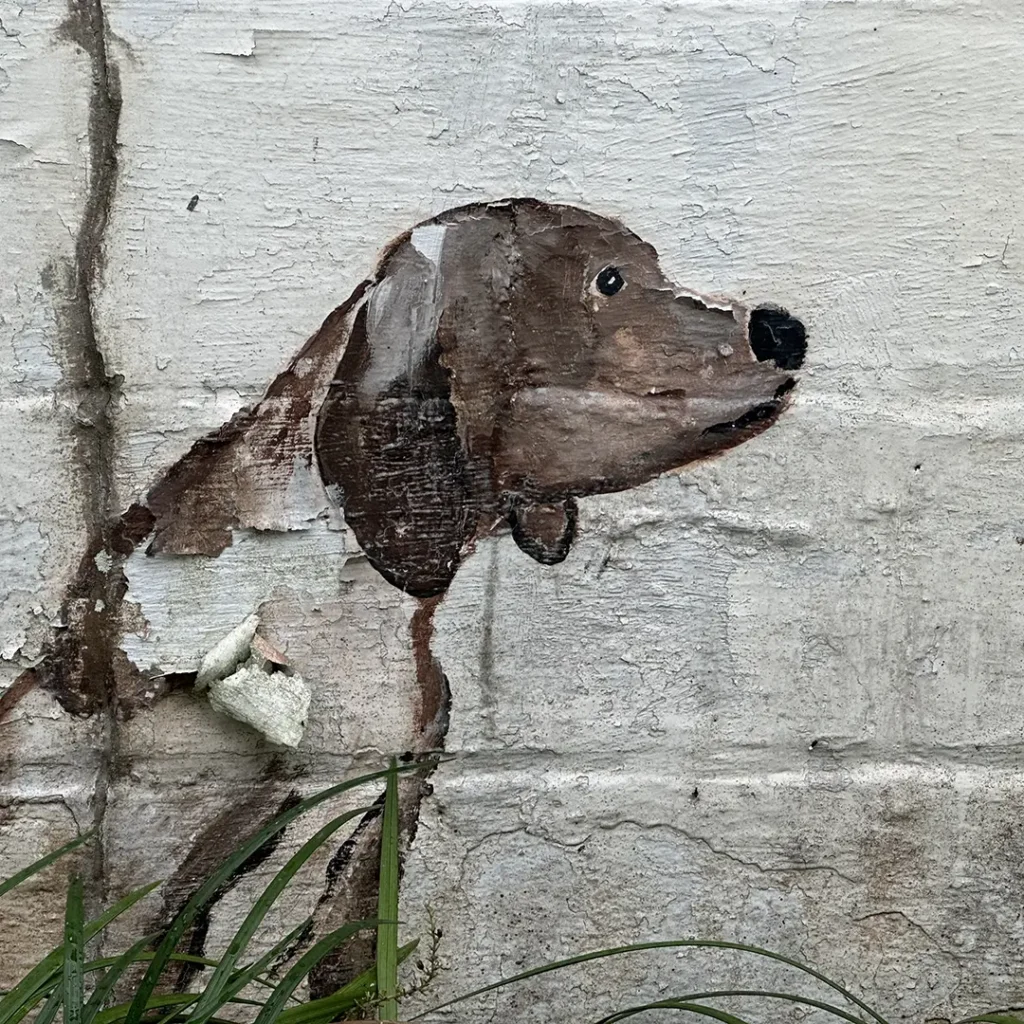
I like this dog. I thought I couldn’t think of a story about it, but that’s not true. Everything has a story. It’s part of a mural at the Pinpoint Heritage Museum in Pinpoint, GA just south of Savannah. I was there in 2025 on a solo, 40-day loop through the southeast, driving back roads in off-season. It was one of those periods when I’d lost not only my mind, but my heart as well. It was October, the pumpkins were out. I was visiting relatives, friends. Also researching a novel that features a Gullah-Geechee shrimper. Pinpoint was founded in 1896 by freed slaves. The Heritage Museum lives in an old Oyster and Crab Factory founded by A. S. Varn and Sons in 1926. The mural was painted by Mrs. Varn. It chronicles the working lives of its community including this dog who’s eyeing something that looks delicious, maybe a cherry pie, maybe beets on a plate of greens being offered by a woman in an apron to a man in overalls too busy telling his own story to pay her any mind. The dog is though, waiting in perpetuity for a nibble of whatever smells so good.
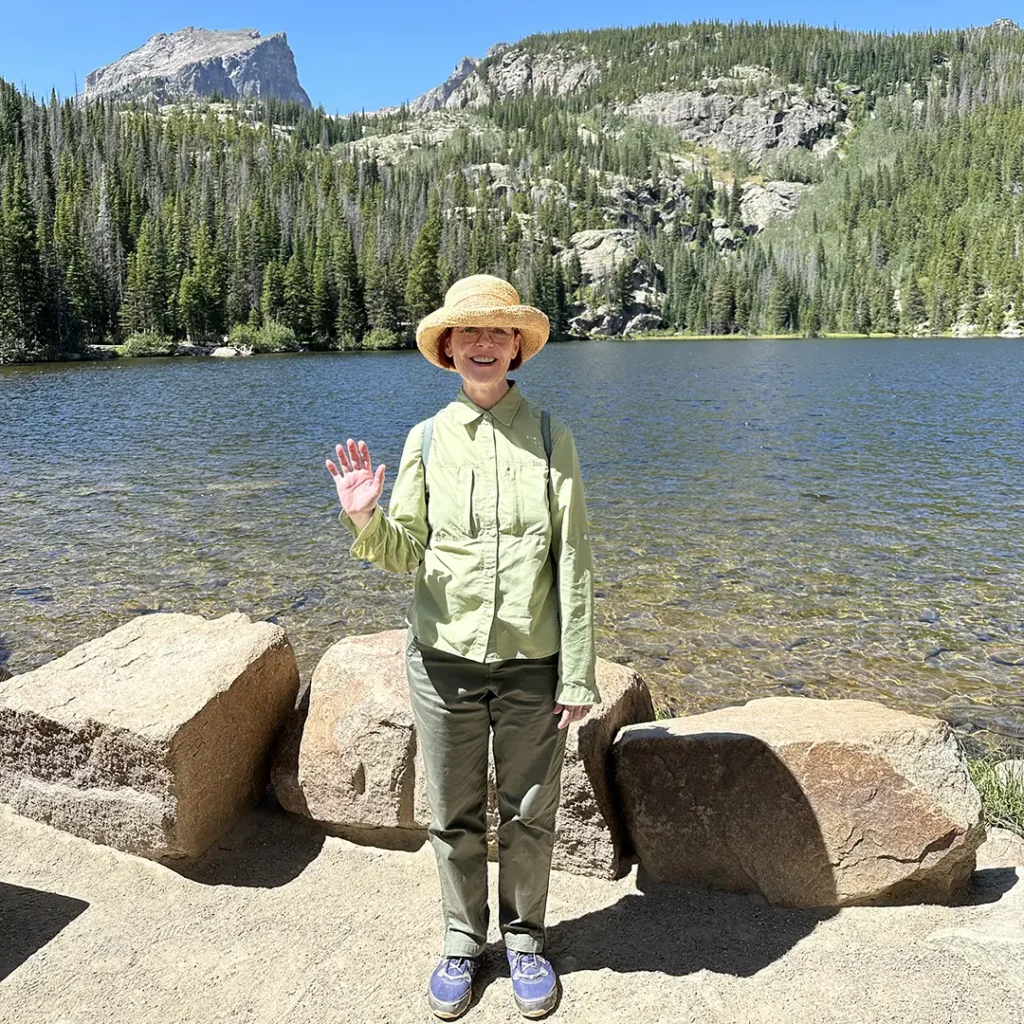
When I was in fourth grade, Lyndon Johnson was President of the United States and I touched his butt. His daughters were way older than I was, but they went to my school. We used to swoon at the Secret Service guys who had to station outside the ladies room. There weren’t many women doing that work back then, and it was an all-girls school. Hence the swoons. Anyway, my best friend was Anne Munroe. Because her father was the editor of El Mundo he got to take his family to the annual Easter Egg Hunt on the lawn of the White House. I tagged along. I don’t remember eggs but I remember the bright green grass, and crowds of kids in dress-up clothes. At one point we children were invited onto a stage to have our picture taken with the man himself. There were so many of us, Anne and I found ourselves all the way at the back with a zillion much more ambitious kids between us and the president. The joke was on them. We wormed our way up until we were right behind him. I reached out and touched his butt. I was so proud. I said I’d never wash my hand again. It’s been washed plenty since, but I can still feel the weight of the cotton of his grey suit. Also what was underneath it. He had a pretty tight butt for an old guy.
I turned 40 while I was working at a theme park called Knott’s Berry Farm. I remember because Oprah turned 40 the same year, and she was a superstar celebrating the way superstars do while I was, well, me… I threw a party for myself in the skimpy front yard around my tiny rented beach house, and invited everyone to BYOF, Bring Your Own Furniture. By god, everybody did. I worked with a lot of tech guys and gals with big pickups. They pulled up and off-loaded whole sofas onto the grass. Top that, Oprah. I’m still grateful.
Knotts gave me many stories: the sea lion who decided to spend the day out on the midway in a decorative fountain rather than safely in his pool because we’d cast him in a show in the theatre, and that involved his walking from the pool to the theater each morning past this fountain which apparently caught his fancy, and then we had to close that side of the park until he decided to go home. Or how about the debacle of the Flying Elvi, Elvis impersonators who parachuted into Knotts as a special event. Not one of them landed where they said they’d land.
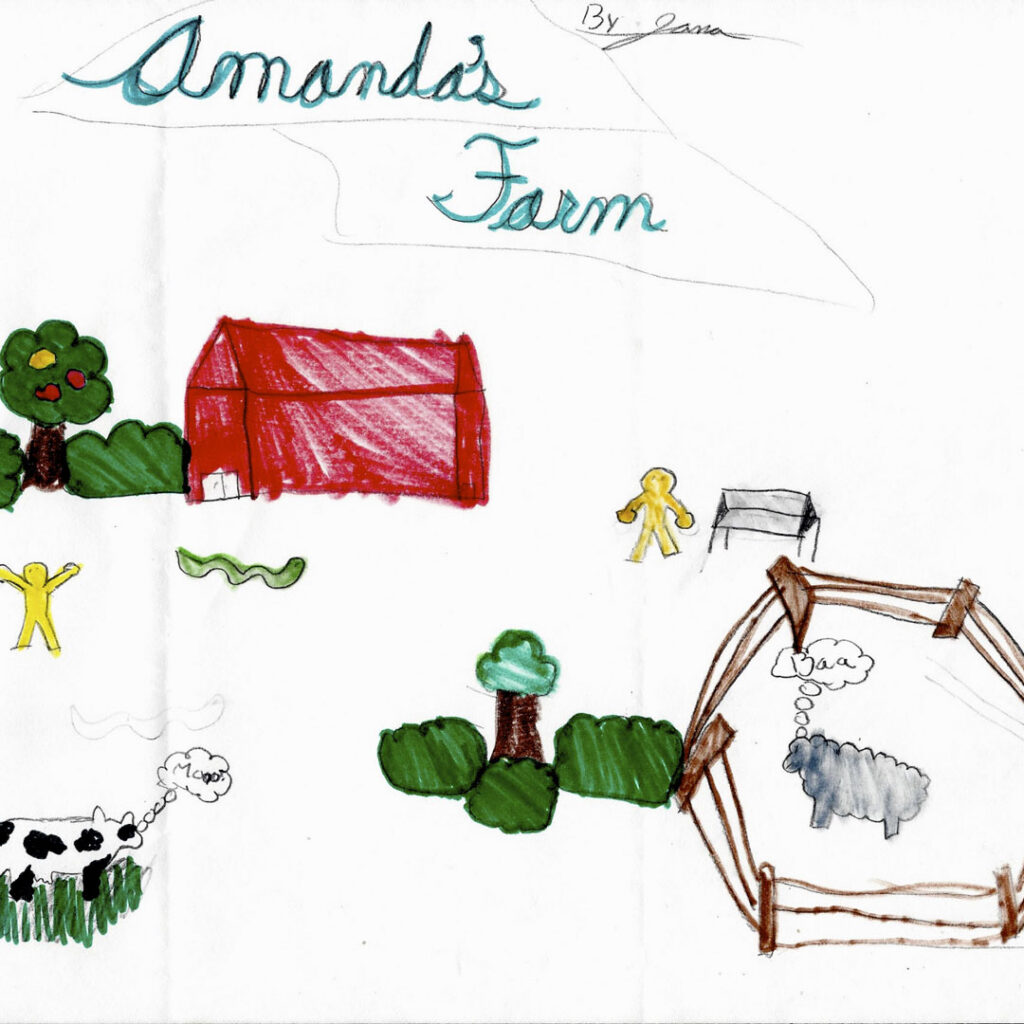
I’m emphasizing the funny stuff here, but terrible things happened too. I was surrounded and supported by a United Nations of consummate entertainers and ride safety experts and food managers and security people and the best team of maintenance professionals I’ve ever had the privilege to learn from. Julie Owens was a supervisor on my team. She went on to manage the whole shebang. Her daughter, Jana, was little back then. She was often in the office. I kept a low table with a bunch of mismatched miniature creatures and peoples, and maybe trees, a barn. I bet she still remembers since she drew me this picture. I love how the cow and the sheep are thinking “Moo” and “Baa.” Not saying it, thinking it. I moo therefore I am…
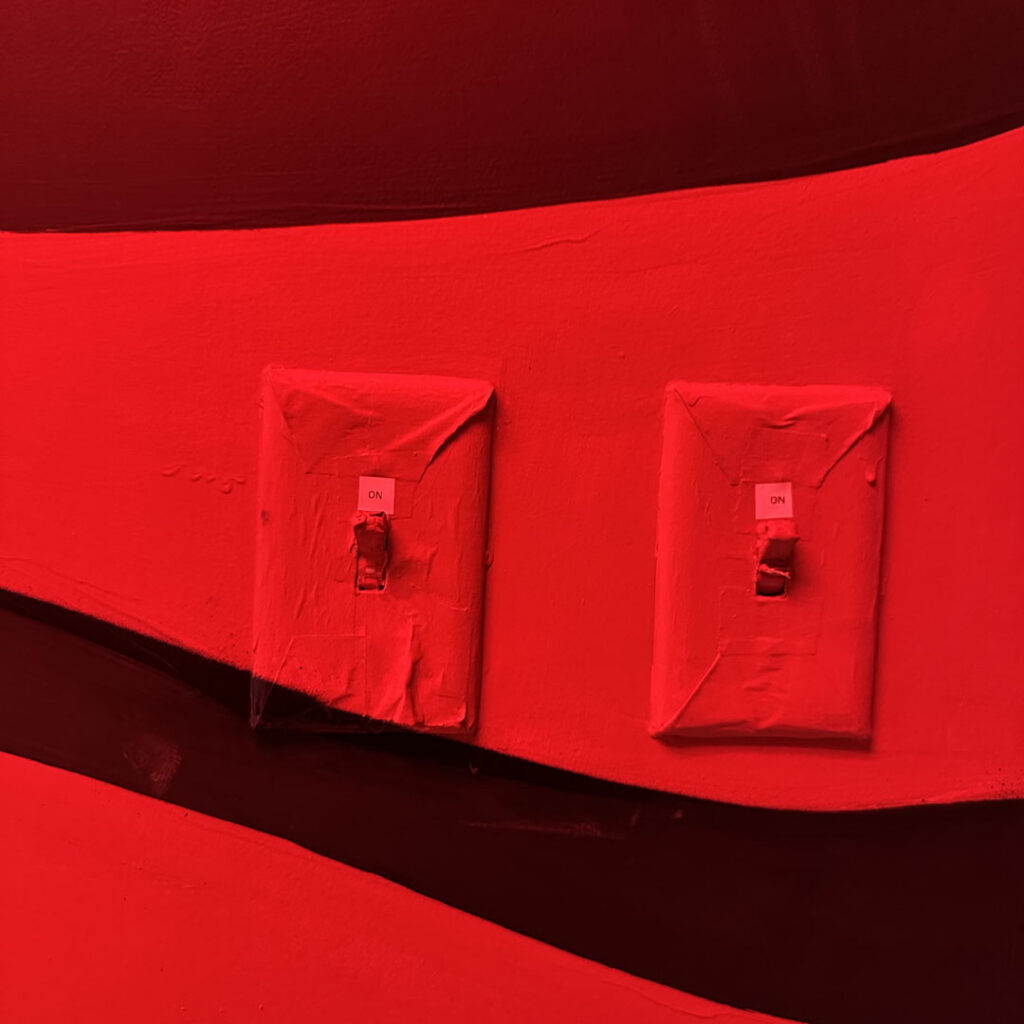
Before my family bought our mountain house, it was owned by a sex cult known as the Fellowship of the Crown. This is something my parents never told us. I’d never have known had I not been living in that house after my mother died. I’d come home to help her when she was sick. She died on Christmas Eve, and now it was January, and there was a knock at the door. In our little town in the Blue Ridge Mountains in January, there are never any unexpected knocks on any door. A man in an ill-fitting suit stood on my porch. He’d taken off his hat, disturbing his combover, and positioned it as if in prayer over his crotch. Behind–way behind, head bowed–was a woman in a pencil skirt and sweater, none of it sufficient for the weather she was in.
I can’t go into all of it here, but the man gave me a business card from Macy’s. It said his last name was Macy. The shoe department as I recall. He explained that he and his wife were on a pilgrimage to visit everywhere their guru had lived, and that my house was one of those places, and would I mind if they looked around? They showed me some photos in a see-through wallet insert that accordion’ed out. It was our house alright. The guy in every picture looked like an amateur golfer surrounded by mostly women and a few men.
After my visitors left, I called my dad. He said, “Yes, the Fellowship of the Crown. They were a sex-cult.” Just like that. “Sex” wasn’t a word I was used to hearing from my dad. “Cult” either. He said the neighbors eventually drove them out of town. I asked him what that meant and he said he didn’t know. I think he did know, but he wasn’t going to tell me. Nothing that would have involved threats. More likely shunning, staged unhelpfulness.
We were the third owners of that house. The Fellowship was before us. Before them, the lady who’d built the place. It was said she didn’t like her children. That’s why she built the house with no inside stairway between the children’s bedrooms and the dining room upstairs. My parents never remedied the situation. Make of that what you will. There were four of us kids. If we wanted breakfast in the morning we’d have to trade our pajamas for pants and boots and parkas, then trudge out into the snow up the porch steps to knock on the front door hoping someone would open it just as I had opened it for Mr. Macy and his wife.
Readers regularly correct my pronunciation when I say my own last name. This would have pleased
my father no end. He told me to change it. “No one knows how to pronounce McTigue.”
That’s Mc-TEYEg with a long i, not Mc-TEEg like McTeague.
Dad claimed that back in the mists of Irish history, they were actually two different names for two different apostles: McT-EYEg for Son-of-Thomas, Mc-TEEg for Son-of-Timothy. So much for Blarney. When you go to Ireland, you hear Mc-TAY-g regardless of the spelling.
Only one person in my life has pronounced it correctly without some help. A philosophy professor at Yale. An eminence, Louis Dupré. He was from Belgium. Maybe that gave him some sensitivity as to others’ names. I was intimidated meeting him, so I never asked how he knew, but he’s the exception that broke my father’s rule and like everything else in life–love, the arts–it only takes one to change the game. I never took my husband’s name. I love it, I love that he loves it, but I’m a McTigue, and proud to be.